Acts 2 opens with a simple but powerful scene: “When the day of Pentecost had come, they were all together in one place.” It’s a beautiful picture – not only of physical presence, but of unity of purpose. The disciples were waiting together because that is what Jesus had told them to do. It was a gathering like many others they had shared together before. They weren’t expecting anything extraordinary to happen but then everything changed.
Suddenly the sound of a violent wind filled the house and flames of fire appeared above their heads. They were filled with the Holy Spirit as Jesus had promised – and to their amazement they were able to speak in many different languages. Google Translate is helpful, but nothing compares to Spirit-enabled communication across cultures and languages.
The disciples didn’t stay indoors. Empowered by the Holy Spirit, they stepped outside and began proclaiming “the mighty works of God” with the resurrection of Jesus at the heart of their message.
A huge crowd gathered round them. Some were eager to see these signs of God’s power – others mocked. By the time Peter had finished speaking everyone was amazed, many hearts were pierced and 3,000 people were baptised that very day.
Jesus gives us a similar message today – I am coming back, wait for me.
The outcome of this waiting will be even more amazing – the return of Jesus and the establishment of a kingdom of justice, righteousness, love, joy and peace here on earth. Like the disciples we don’t know how long this wait will be. We don’t know which day will turn from ordinary to extraordinary.
We do know that it will definitely come because we ‘ve seen that Jesus keeps his promises.
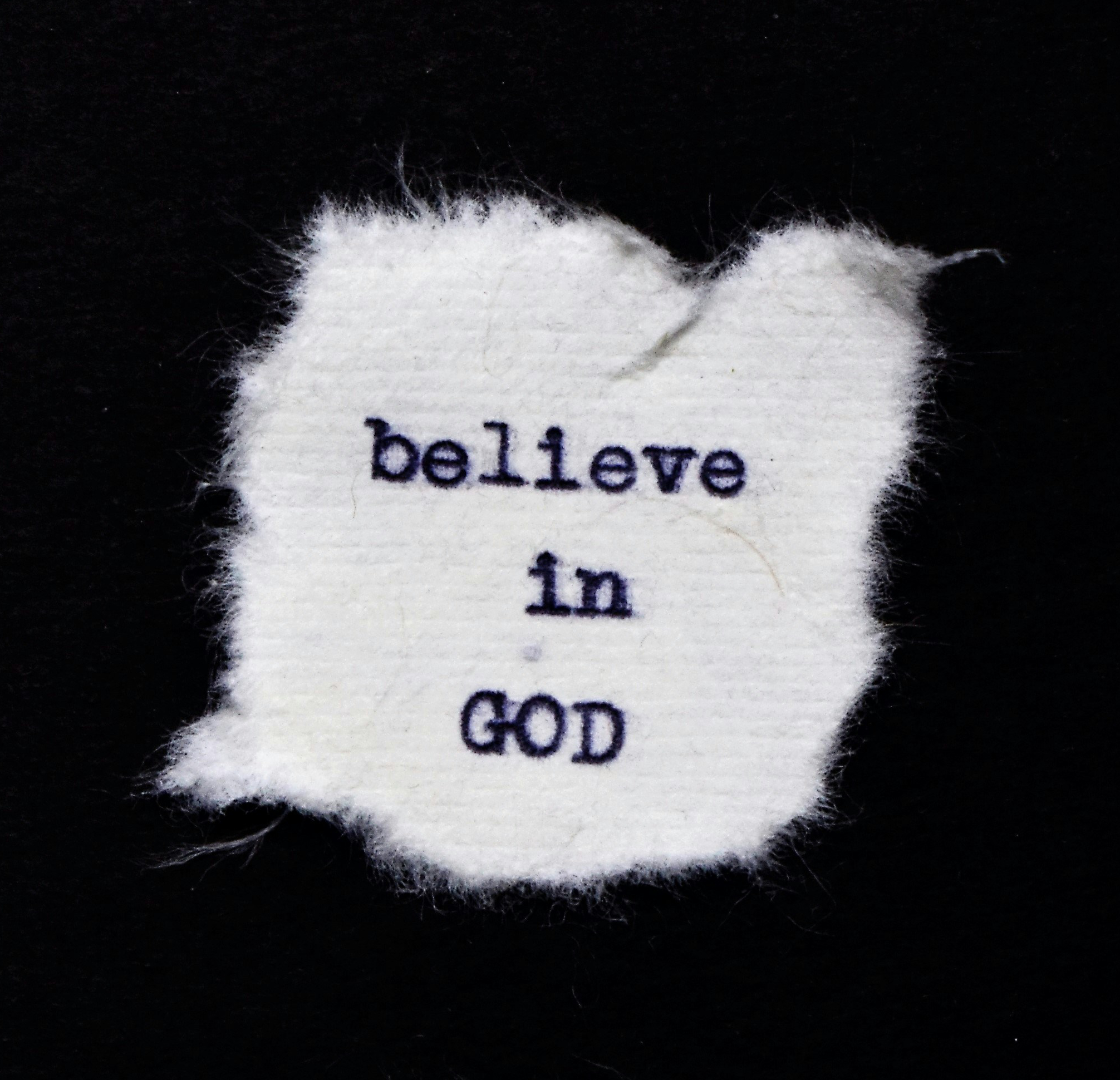
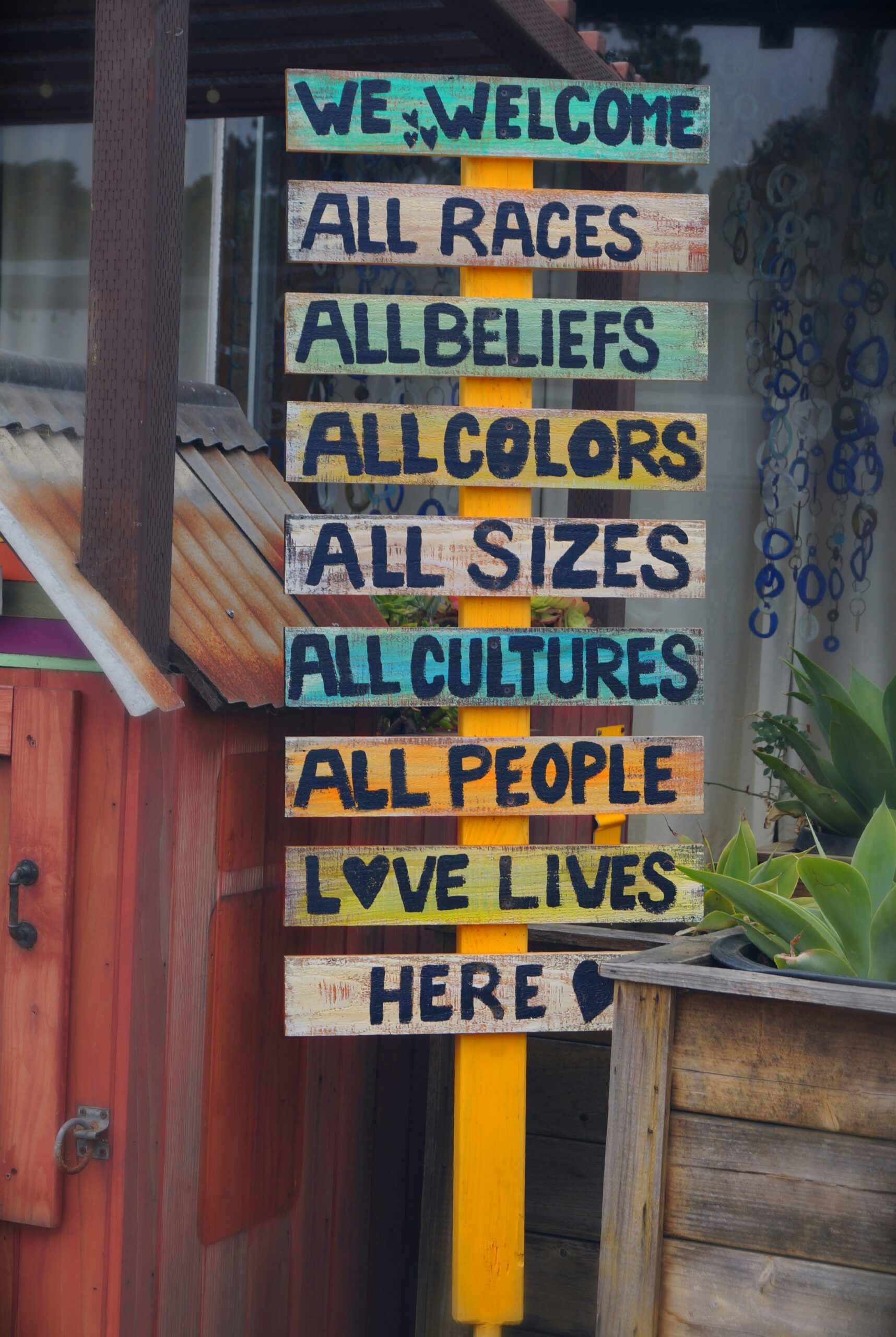
If Jesus had a slogan on a sweatshirt as he ascended into heaven, what would it be? Probably something like:
We love ladders. We love rankings and scores. They show us where we stand.
In life, we ask, “Am I good enough?” We climb if we feel low. We hold on if we are high. But ladders trap us. They don’t set us free. The singer, Madonna, once said her fear of being average drove her. Praise fades.
The climb never ends. We bring this thinking to faith. We count rules and compare ourselves. “Am I good enough for God?” Ephesians lists many commands. It is hard to remember and do them all. Trying to be good feels tiring, like endless climbing. Jesus challenges this. In Mark 10, a man calls him “good teacher.” Jesus says, “No one is good except God.” There is no ranking here. Goodness is not a score.
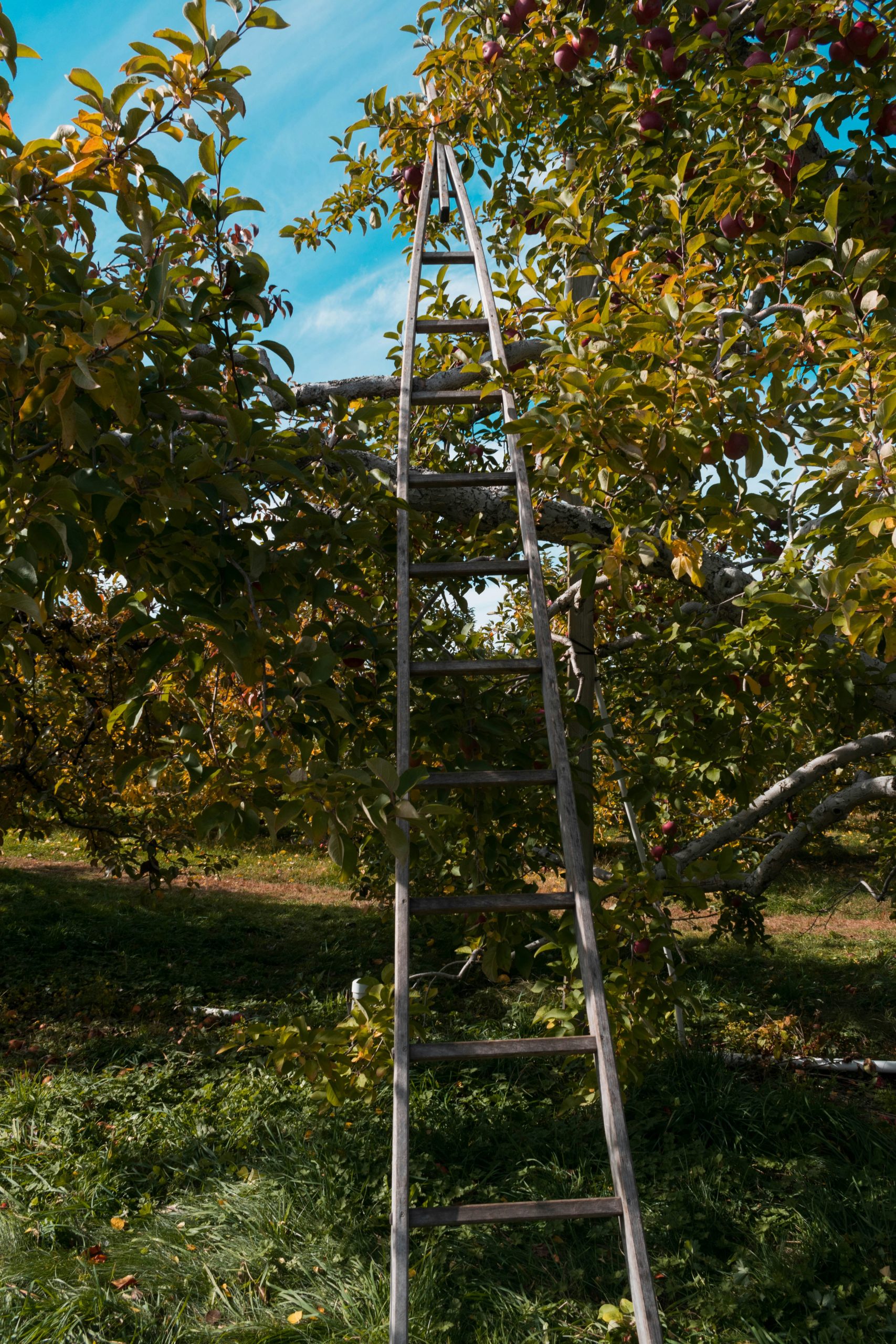
Then Jesus asks for the impossible. “Sell everything.” He isn’t raising the bar. He shows the ladder itself is broken. We cannot climb our way to God. “With man this is impossible. With God all things are possible.” We are made right with God by grace through faith—not by climbing rules (Eph. 2:8–9).Commands are not gone. They move place. Ephesians 4 says to change: put off the old self, be renewed, put on the new self. Obedience grows out of who we are, not by climbing steps. Apples grow from trees, not ladders. The gospel cuts down the ladder and plants a new life.
Step off. Accept grace. God will change you from the root, so good actions come naturally—like fruit, not desperate climbing.
Our second look at this series of inspirational faith videos which have been put together. This one is from Todd who was struggling with his business. Read what he has to say here: The Big Leap Project.
How Jesus Saved My Family’s Business When Nothing Else Could
When a family business was on the verge of collapse and nothing else seemed to work, they turned to Jesus—and everything changed. This is a story of unexpected hope, real struggle, and the power of faith to bring light in the darkest moments. If you’re feeling stuck or searching for direction, this testimony offers powerful encouragement. __ At The Big Leap, our mission is to empower people to embark on explorations of faith, and to help people strengthen their faith muscles in the journey of life.
Have you ever felt swallowed by spiritual darkness, where prayer seems pointless, Bible reading feels empty, and hope is just a memory? Maybe you’ve trudged through weeks, months, or years of faithful obedience, only to wonder if anyone—God included—even notices. If so, you’re not alone. The story of Joseph of Arimathea is for you.
Picture the scene: Good Friday. For Joseph, it was anything but “good”—it was the day his hopes died. Jesus, the one he secretly believed was the Messiah, lay lifeless, crucified by Roman brutality. The twelve disciples had vanished in fear. Yet Joseph, a respected leader and previously a “secret” disciple, did something extraordinary. He stepped out of the shadows, asked Pilate for Jesus’ body, and buried him in his own expensive tomb. He risked his reputation, his ritual purity, and his future—all for a King who, by every outward appearance, was defeated.
Why? Because Joseph kept looking for the kingdom of God, even when the King seemed dead. He obeyed when obedience looked pointless. He planted seeds of hope in a soil that felt dry and barren.
Most of us want faith to feel easy, visible, and rewarding. But Joseph’s story challenges us to keep searching for God’s kingdom when all the evidence screams “give up.” His quiet courage reminds us that God’s kingdom often moves forward in the darkness—through unlikely, unseen obedience.
So here’s the challenge: When your faith feels futile, when hope seems buried, will you dare to obey anyway? Will you keep praying, keep hoping, keep looking for God’s kingdom—even when you can’t see it? Set your heart like a watchman for the dawn. Defy despair. The resurrection didn’t just change Joseph’s story—it can change yours, too.
Will you be courageous enough to hope in the dark?
“So we do not lose heart. Though our outer self is wasting away, our inner self is being renewed day by day. For this light momentary affliction is preparing for us an eternal weight of glory beyond all comparison, as we look not to the things that are seen but to the things that are unseen. For the things that are seen are transient, but the things that are unseen are eternal.” (2 Corinthians 4:16-18)
Ever feel like you’re stuck in a waiting room with no end in sight? Paul totally gets it. In 2 Corinthians 4:16-18, he shares his secret for staying hopeful—even when life feels like it’s coming apart. And he’s not just talking theory; Paul’s been through shipwrecks, beatings, betrayals, and sleepless nights. When he says “don’t lose heart,” he means it.
Paul’s secret? Perspective
He calls his suffering “light” and “momentary”—not because it’s easy, but because he’s comparing it to something way bigger: an eternal weight of glory.
The tough stuff we go through isn’t pointless. Paul says it’s actually preparing us for something amazing.
Every hardship, every disappointment, every groan is “doing something”—working behind the scenes for our future glory.
It’s easy to get stuck on what we can see: toxic politics, setbacks, health worries, and the slow grind of getting older.
Paul says: look past the visible. Focus on what’s unseen.
This isn’t just wishful thinking—it’s trusting that God’s promises are more real than our current pain.
Our struggles aren’t wasted; they’re part of a bigger story.
How do we hang on?
Paul’s advice: remind yourself of these truths every day.
Suffering isn’t pointless, and renewal is possible—even when life feels threadbare.
The visible world is temporary, but the unseen hope anchored in God’s mercy is what really lasts.
In Mark 5, Jairus begs Jesus to save his dying daughter, but Jesus stops to help a suffering woman. The delay is agonizing—so much so, Jairus’ daughter dies. But Jesus’ timing isn’t our timing.
He tells Jairus, “Don’t be afraid; just believe.” Through this story, we see three powerful truths: God’s grace works beyond our schedules, it’s for everyone—no matter status or background—and Jesus is always trustworthy, even when hope seems lost. The gentle resurrection of Jairus’ daughter with the words “Talitha koum” shows both Christ’s power over death and his tender love. Ephesians 3:20 reminds us God can do “infinitely more than we might ask or think.” Don’t rush the One who loves you most. Let go of fear, embrace courage, and trust that God’s timing—though mysterious—is always perfect.
Jesus was completely different from the religious leaders of his day, he interacted with all levels of society, tax collectors, the poor, the lame, lepers, the untouchable, with women and with children; Jesus loved children and was regularly surrounded by them, interacting with them as he recognised and identified with their qualities.
When grown into adults the qualities Jesus identified with should still be present, we need to hold onto them and use them. Adults should be more like children.
As adults we can get hung up on ‘who is more important’, and this is all to do with our pride, which we need ‘wringing out’ of us. Jesus’ twelve disciples were no different as it was a regular topic of conversation and the disciples were embarrassed, not liking to admit their discussions to Jesus. This of course was pointless, because Jesus knew, he always knows. We cannot hide anything from Jesus either. But how did Jesus deal with it?
Matt 18 v 1-4, Jesus says, ‘Unless you TURN and become like children…’, and he doesn’t mean by playing with toys, he means by ‘humbling ourselves’. Spending time with young children, as Jesus did, is a good reminder to us of their humility. How often do we spend time with children? They are a blessing as they can teach us so much.
Matt 19 v 13-15: The parents or teachers were bringing the children to Jesus, so he could ‘lay his hands upon them and pray for them’. Do we pray for our children, our grandchildren? Jesus says, let the children come to him, because ‘to such belongs the kingdom of heaven’, it belongs to those who are childlike, those who are not absorbed with themselves, humble like a child. We can learn from children.
Matt 21 v 15-16 Jesus goes further. In the aftermath of his entry into Jerusalem and clearance of the Temple forecourts, the chief priests and scribes were criticising what the children were shouting out; ‘Hosanna to the Son of David!’. Jesus quotes from Psalm 8 v 2, ‘Out of the mouths of babies and children, you have perfected praise’ you have arranged praise for yourself, something meaningful and important and true, will be spoken by children. He actually changes the words of the Psalm slightly, as only Jesus can, the Psalm talks about ‘laying a strong foundation’. Something foundational, something not to be ignored or dismissed, coming from the mouths of children. What do we make of this?
Children are an integral, vital part of God’s family, of his plan and purpose. Children are not to be dismissed. Children often have a knack of expressing the purpose of God in a simple and direct manner which we would listen to it as it gives us a responsibility to expose them to the words of God that are only found in the Bible. These words and thoughts our children absorb more readily and without reservation, than we do.
And of course, one final area where we can learn from our children is that of trust. A child implicitly trusts its parents, its father. The lesson for us is to show that same kind of total trust in our Father in heaven, who loves us so much that He gave us His only Son, that whoever believes in Him, will have everlasting life.
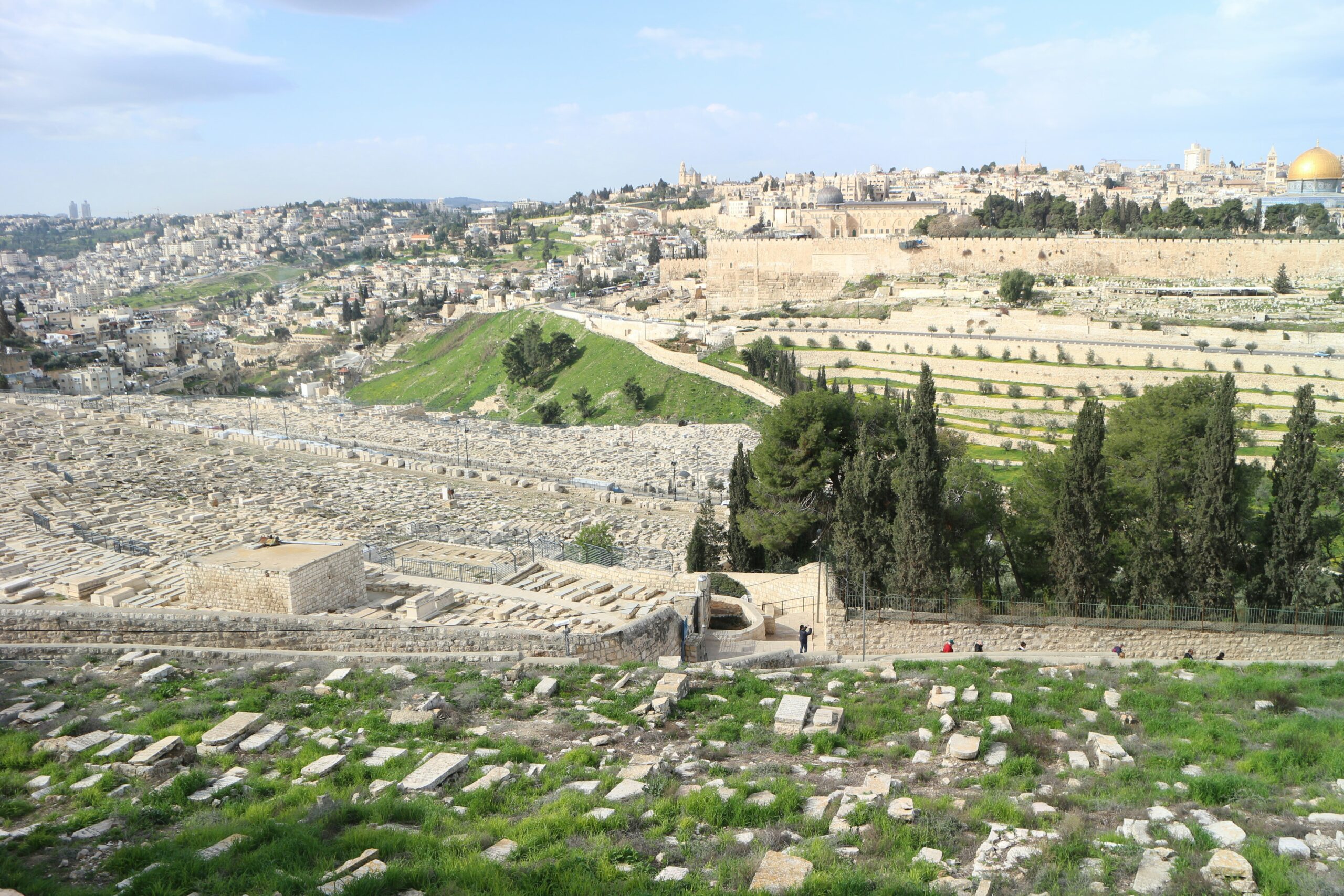
Jesus is journeying to Jerusalem, his whole life, his whole purpose has been a journey towards Jerusalem. Our life, having committed ourselves to walking with Jesus, is a journey towards Jerusalem.
In verse 1, ‘they drew near to Jerusalem and came to Bethphage, to the Mount of Olives,’. This is a very visual verse. Jesus could see his destination, the place where he would fulfil the task his Father had called him to, in all its pain and humiliation. You would imagine, at that point, he wanted it over, but it wasn’t about him, or what he wanted, it never was and never would be, it was always about serving others, seeking their interests first and there was more to do, what an example to follow, how do we measure up, is our focus on our needs, or on others? We know where our Lord’s focus would be, as we see demonstrated in the closing chapters of Matthews gospel. Everything is planned, Jesus, as he always did, is managing the situation, making sure all is fulfilled, and so he sends two of the disciples (un-named people – could these be us on an important errand. Very precise instructions that needed to be followed, as we need to follow our Lords instructions in our lives.
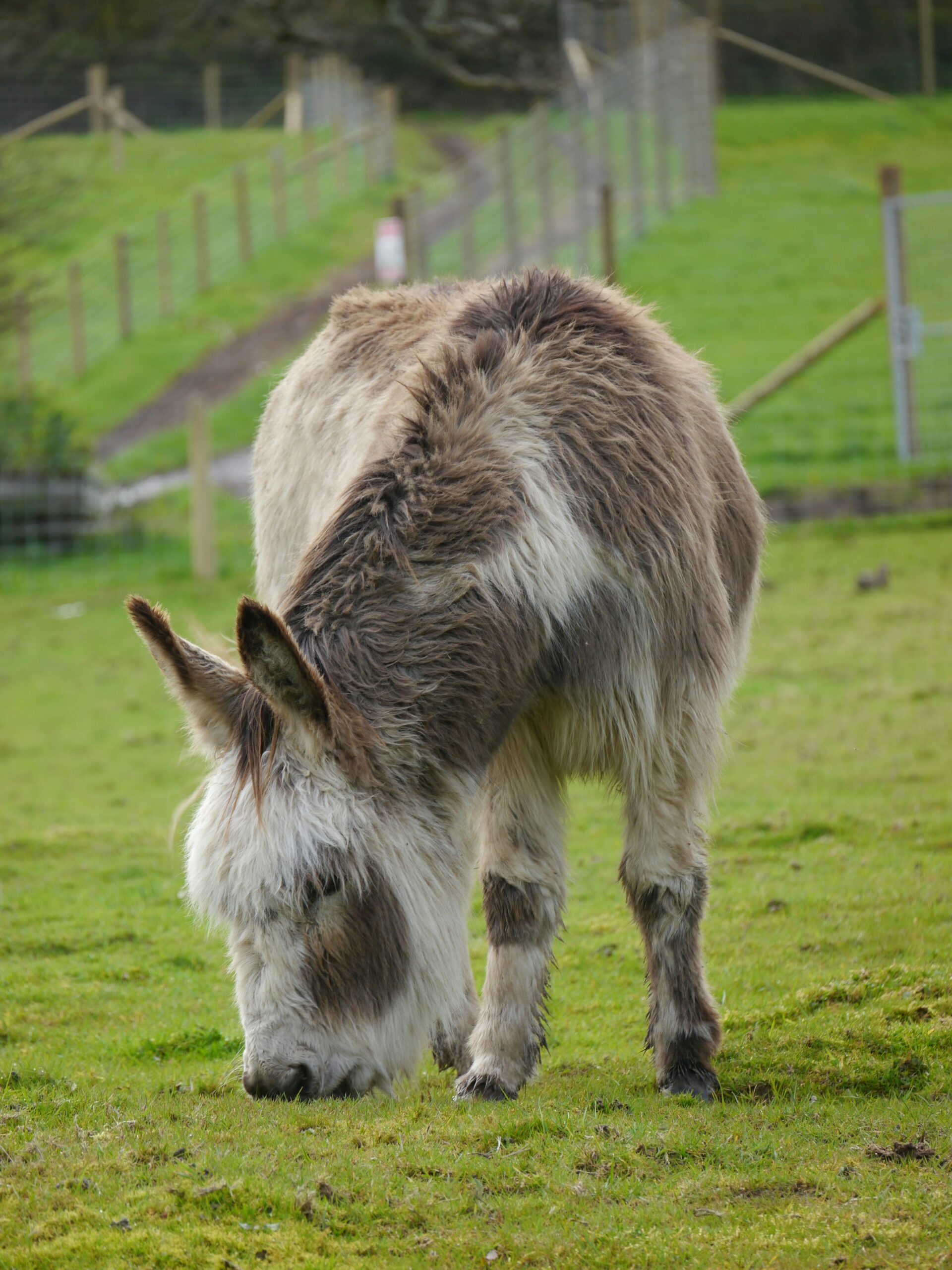
They are sent to fetch a donkey, but not any donkey, and not actually only one donkey, it is only Matthew who mentions this detail, but they were sent to bring two donkeys, the older, mother and its colt, it’s offspring. Why did he need two when surely, he would only ride on one of them? Or did he, start out on one and then switch halfway? There is no indication of that. You could answer, because that is what the prophet had said, Zechariah 9 verse 9, but then why did God through Zechariah, mention two animals? There is another older prophecy that mentions a donkey’s colt that clearly relates to Jesus, and therefore this event, this entry into Jerusalem.
Genesis 49 verse 11. This is Jacob/Israel at the end of his life, speaking to his sons for a final time before his death, and he talks here to Judah, v 8-10, ‘until he comes’, that is Jesus, and then in verse 11, ‘binding his foal to the vine, and his donkeys colt to the choice vine’, I suspect they are the same animal, the language here is in ‘couplets’, not uncommon in the Bible, two lines that say the same thing in different ways. There is clearly reference here to Jesus as the vine, the true vine, as he claims to be in John 15, and we are the branches, but this passage seems to indicate that Jesus rode on the donkey’s colt, rather than the mother. This is further born out by Mark’s record, Mark 11 verse 2, where only the colt is mentioned, with the added detail, ‘on which no one had ever sat’, until Jesus does, verse 7, ‘he sat on it’. Luke’s gospel is consistent with Marks, again stating, Luke 19 verse 35, that Jesus sat on the colt.
What is this all about? This entry into Jerusalem is an amazing picture, lots of artists and film makers have tried to capture it, a spectacle, something unprecedented for those who witnessed it and took part in it, ‘crowds’ of people. I imagine the Roman governor was very concerned but to his credit (possibly) he decided to do nothing confrontational, but I believe WE are to visualise this. It appears that Jesus doesn’t speak until he is in the temple and confronted with all the commerce that is going on, and drives the traders out, quoting the prophet again, ‘My house shall be called a house of prayer, but you make it a den of robbers.’ Another intensely visual, dramatic picture. But what are we to learn from ‘SEEING’ the entry of Jesus into Jerusalem?
Verse 5, ‘LOOK (’open your eyes’), your king is coming to you, humble and mounted on a donkey.’ LOOK, take it in.
Kings don’t ride on donkeys, they ride on horses, and normally surrounded by soldiers also riding on horses. If you ride on a horse, you were way up above the people, aloof, untouchable. On a donkey you were one of the people, very touchable, and on the colt of a donkey, even more so, very touchable, in touch with the people! Donkeys were working animals, they were used in the fields, and for transport, mainly transporting goods, but sometimes people, mostly the elderly, those who couldn’t walk far, tradition, of course has it that the heavily pregnant Mary rode on a donkey to Bethlehem, but that is not actually confirmed by scripture, although it could well be true. But kings rode on horses, or in chariots, pulled by horses, this was a different kind of king, and this entry into Jerusalem was the most graphic demonstration that this king was different, ‘humble and riding on a donkey.’
Humble, without pride, and without sin.1 Peter 2 verses 22-23, – no sin,
‘no guile on his lips’, what does that mean? He was completely honest and truthful, never deceitful. What king or politician could ever be described like that? A different kind of king.
‘when he was reviled, he didn’t revile in return’, when he was abused, verbally and physically, he didn’t speak words of abuse in return, or fightback, what kind of king or politician can you say that about?
verse 24, ‘and he bore our sins in his body on the tree.’ Only Jesus knew it on that day (even though he had told his disciples often enough), that he was going to his death, when he entered Jerusalem, ‘humble and riding on a donkey’, a different kind of king, not the king they were expecting, a king who instead of kicking out the Romans, would instead willing lay down his life for his subjects, ‘that we might die to sin and LIVE to righteousness.’
verse 25, ‘For you were straying like sheep, but now have returned to the Shepherd and Guardian of your souls.’ Not only is Jesus the vine, the true vine, but his also the shepherd, the good shepherd, our shepherd, that we must follow, if we would LIVE to righteousness.
‘Come with me’, says Jesus, says this different kind of king, the king who lived his message, not ‘do as I say, not as I do’, so typical and descriptive of all other kings, leaders of men, ‘do as I do’ says Jesus, ‘humble and riding on a donkey’, follow me, come with me, maybe ‘ride with me’, and I wonder if that is the message of the mother donkey, the second donkey, the un-ridden donkey, that also had garments placed on it, ready to be ridden, an animal that was well used to being ridden, ‘Come to me’, says Jesus, ‘For my yoke is easy, and my burden is light’. ‘I have done the hard part, I have ridden on the colt, that had never been ridden, I have broken it in, I have destroyed the power of death’ (as Hebrews 2 tells us), I lay my sinless life down for you, for us, and ‘He who judges justly’, my Father in heaven will not leave me in the grave, and he didn’t, ‘He is risen’, the angels tell Mary and the other women, and us, follow me, ride with me, and there by his side, as he entered Jerusalem (missed by most of the illustrators, that I have seen), was the clear visual indication that the invitation, from this different kind of king, is for ALL.
Matthew 28 v 19-20, ALL nations, ALL people, ALL ages, through the ages, and we meet together in this way, to share bread and wine, to remember, to be reminded of the means by which that invitation was made possible, to remember our different kind, our unique, our only King, who entered HIS kingdom, ‘humble and riding on a donkey.’
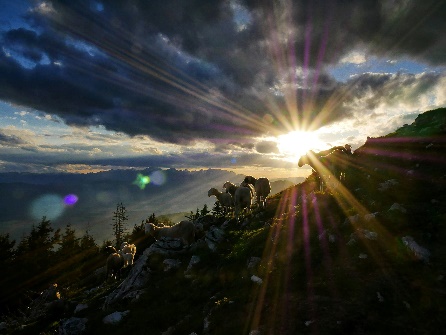
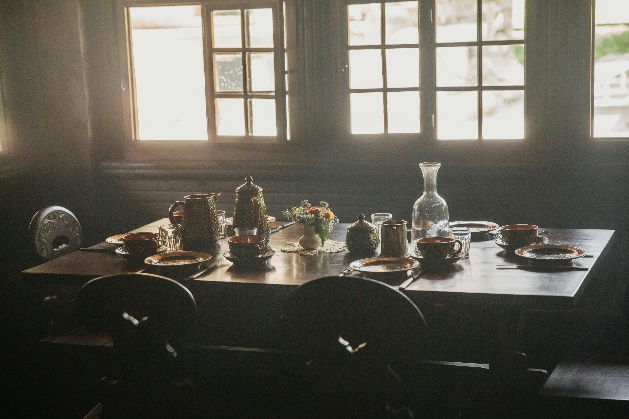
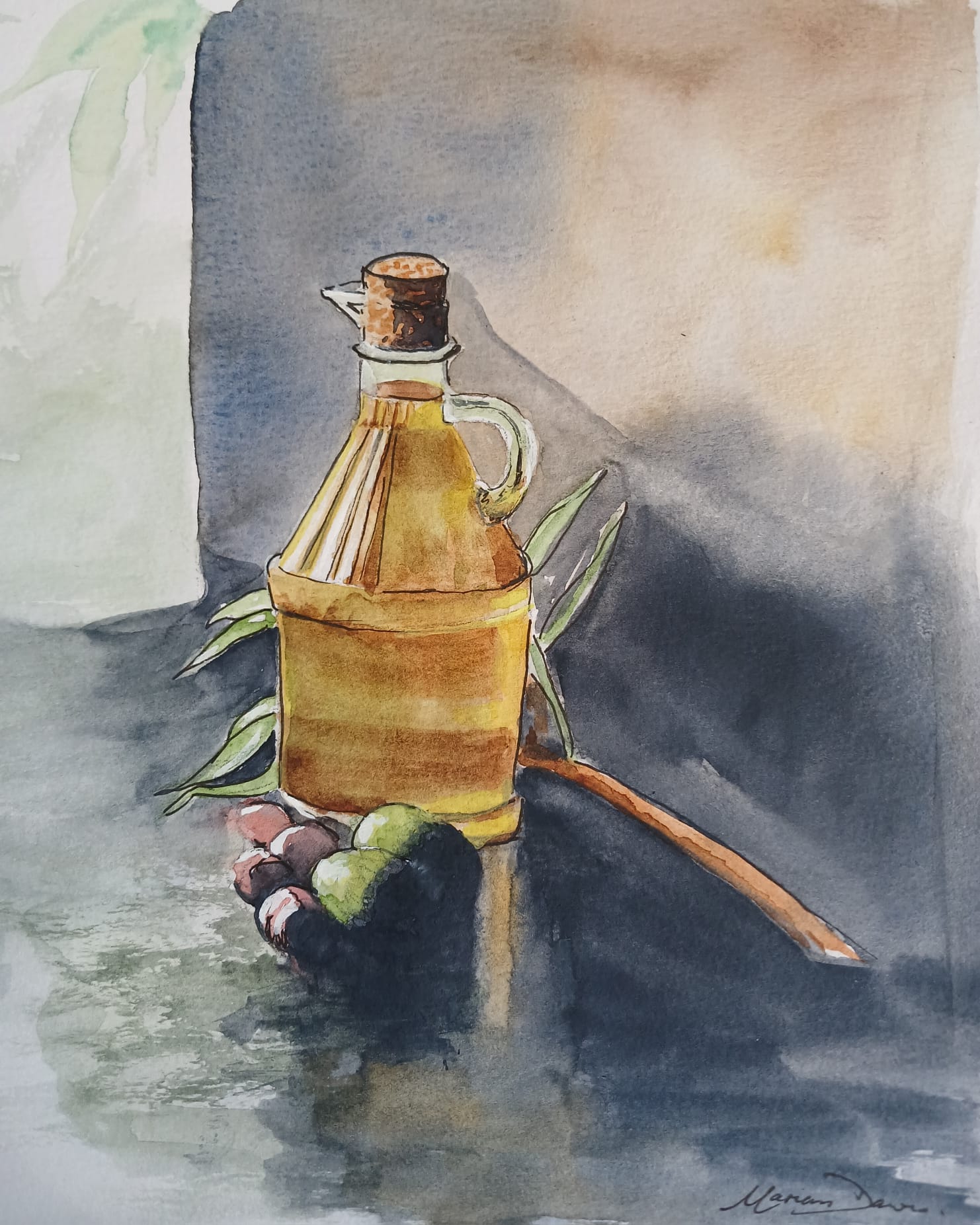
Recently I shared some pictures illustrating the Lord’s prayer. There was some very kind feedback, so I wanted to share another inspirational Bible passage, which is Psalm 23. This is a firm favourite at church services, either read from the Bible or sung as the hymn based on the words of the psalm. The photographs were chosen to illustrate different phrases. I wonder what pictures come to your mind ?
The Lord is my shepherd, I lack nothing. He makes me lie down in green pastures,
he leads me beside quiet waters, he refreshes my soul. He guides me along the right paths for his name’s sake.
Even though I walk through the darkest valley, I will fear no evil, for you are with me; your rod and your staff, they comfort me.
You prepare a table before me in the presence of my enemies. You anoint my head with oil; my cup overflows.
Surely your goodness and love will follow me all the days of my life, and I will dwell in the house of the Lord forever.
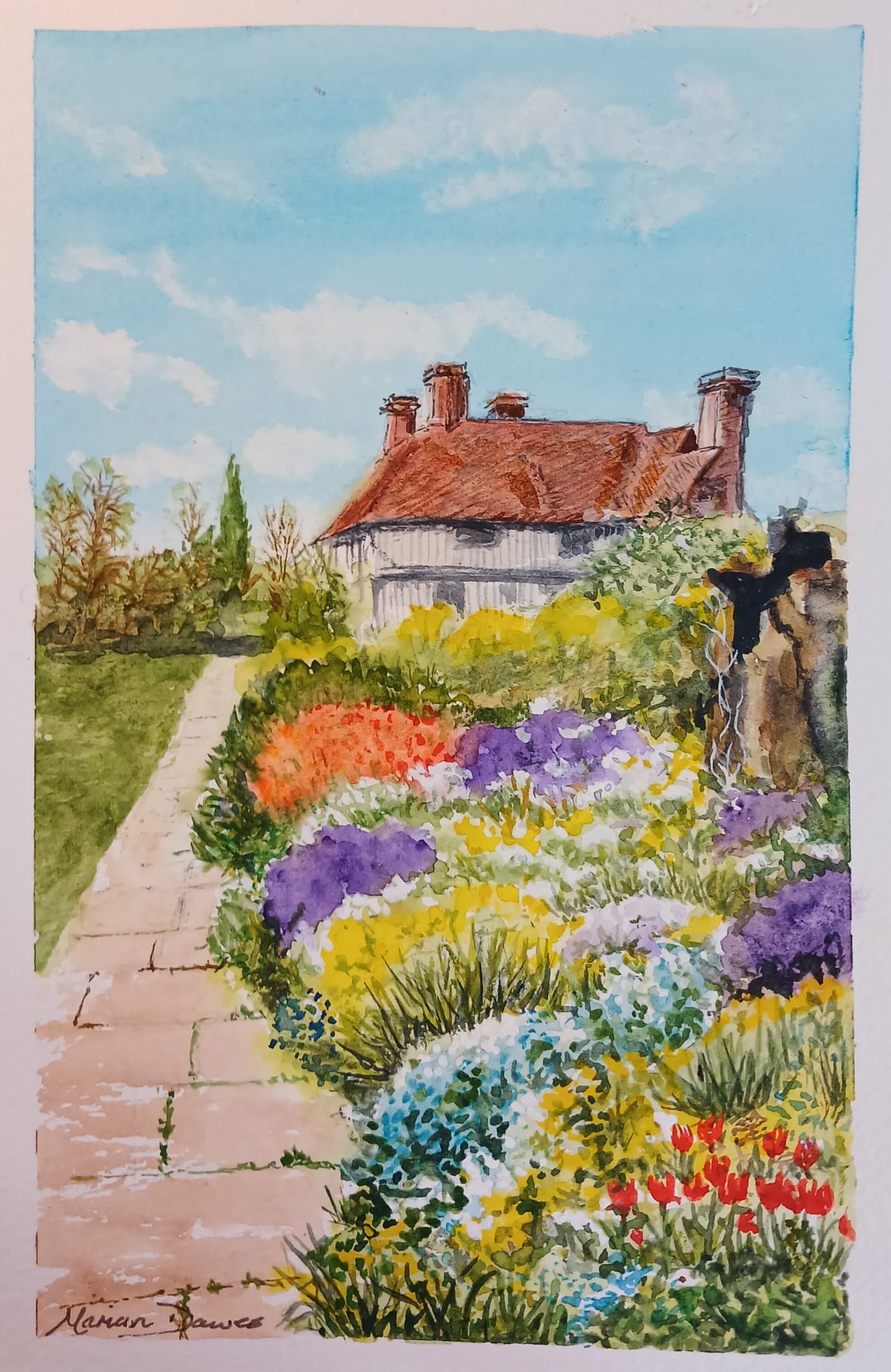
And here are a handful of the paintings that were produced as a result of sharing these verses and pictures.
Bible references: New International Version
Images from Unsplash.com : Sheep on hillside with sunset: Jaka Škrlep Still waters: Jenn Wood Dark Valley: Karsten Wurth Hands: Ave Calvar Table: Kevin Schmid Oil: Roberta Sorge Overflowing cup: Ephraim Mayrena Daisies: Garston Roulstone Scottish Lake: Gary Ellis
Images from Pexels.com: Shepherds Staff: Photo by Mehmet Has
Images from other sources: Green pastures: Sally Taylor
Manage Cookie Consent
We use cookies to optimise our website and our service.
Functional
Always active
The technical storage or access is strictly necessary for the legitimate purpose of enabling the use of a specific service explicitly requested by the subscriber or user, or for the sole purpose of carrying out the transmission of a communication over an electronic communications network.
Preferences
The technical storage or access is necessary for the legitimate purpose of storing preferences that are not requested by the subscriber or user.
Statistics
The technical storage or access that is used exclusively for statistical purposes.The technical storage or access that is used exclusively for anonymous statistical purposes. Without a subpoena, voluntary compliance on the part of your Internet Service Provider, or additional records from a third party, information stored or retrieved for this purpose alone cannot usually be used to identify you.
Marketing
The technical storage or access is required to create user profiles to send advertising, or to track the user on a website or across several websites for similar marketing purposes.
Contains information related to marketing campaigns of the user. These are shared with Google AdWords / Google Ads when the Google Ads and Google Analytics accounts are linked together.
90 days
__utma
ID used to identify users and sessions
2 years after last activity
__utmt
Used to monitor number of Google Analytics server requests
10 minutes
__utmb
Used to distinguish new sessions and visits. This cookie is set when the GA.js javascript library is loaded and there is no existing __utmb cookie. The cookie is updated every time data is sent to the Google Analytics server.
30 minutes after last activity
__utmc
Used only with old Urchin versions of Google Analytics and not with GA.js. Was used to distinguish between new sessions and visits at the end of a session.
End of session (browser)
__utmz
Contains information about the traffic source or campaign that directed user to the website. The cookie is set when the GA.js javascript is loaded and updated when data is sent to the Google Anaytics server
6 months after last activity
__utmv
Contains custom information set by the web developer via the _setCustomVar method in Google Analytics. This cookie is updated every time new data is sent to the Google Analytics server.
2 years after last activity
__utmx
Used to determine whether a user is included in an A / B or Multivariate test.
18 months
_ga
ID used to identify users
2 years
_gali
Used by Google Analytics to determine which links on a page are being clicked
30 seconds
_ga_
ID used to identify users
2 years
_gid
ID used to identify users for 24 hours after last activity
24 hours
_gat
Used to monitor number of Google Analytics server requests when using Google Tag Manager
1 minute
Marketing cookies are used to follow visitors to websites. The intention is to show ads that are relevant and engaging to the individual user.
Google Maps is a web mapping service providing satellite imagery, real-time navigation, and location-based information.