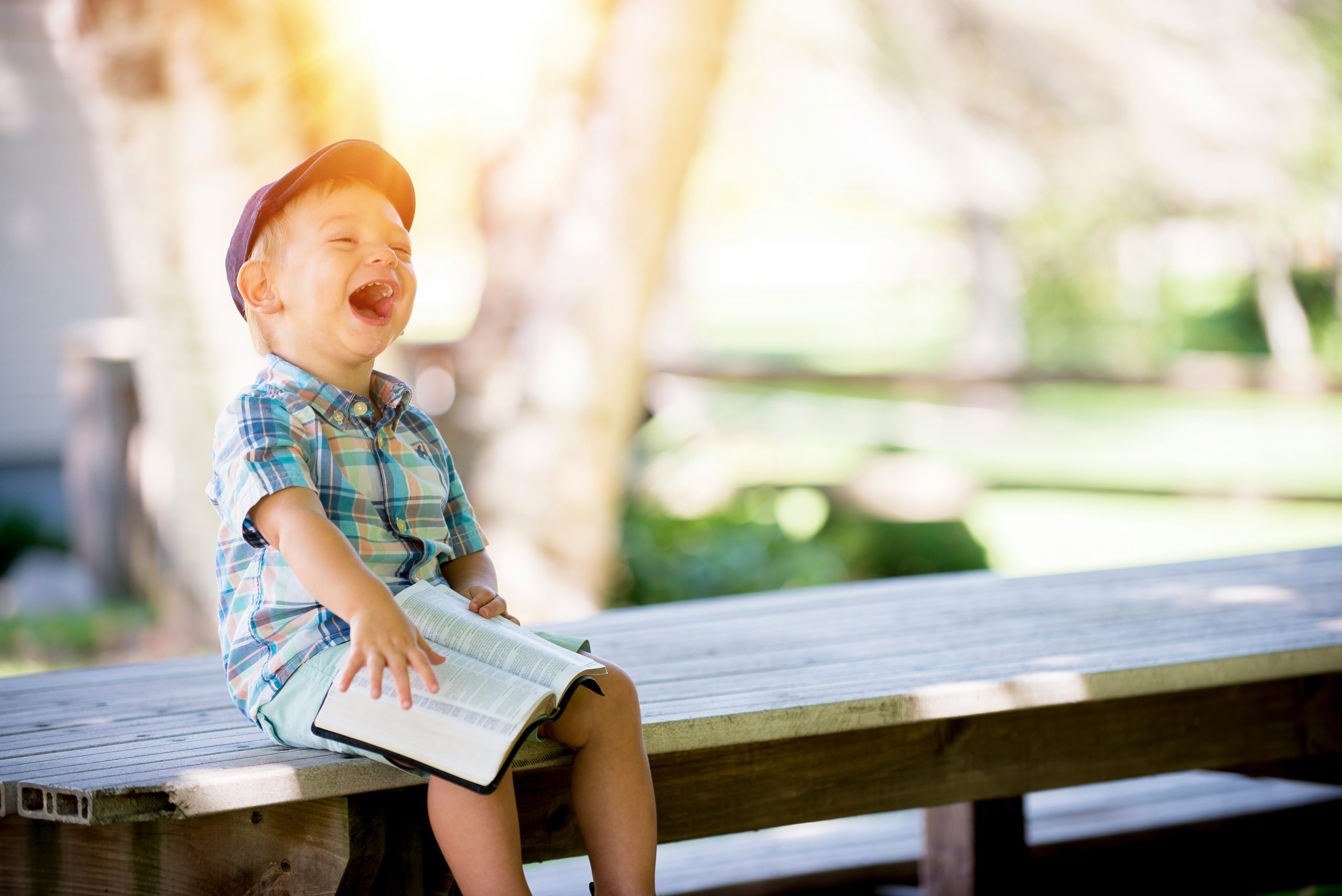
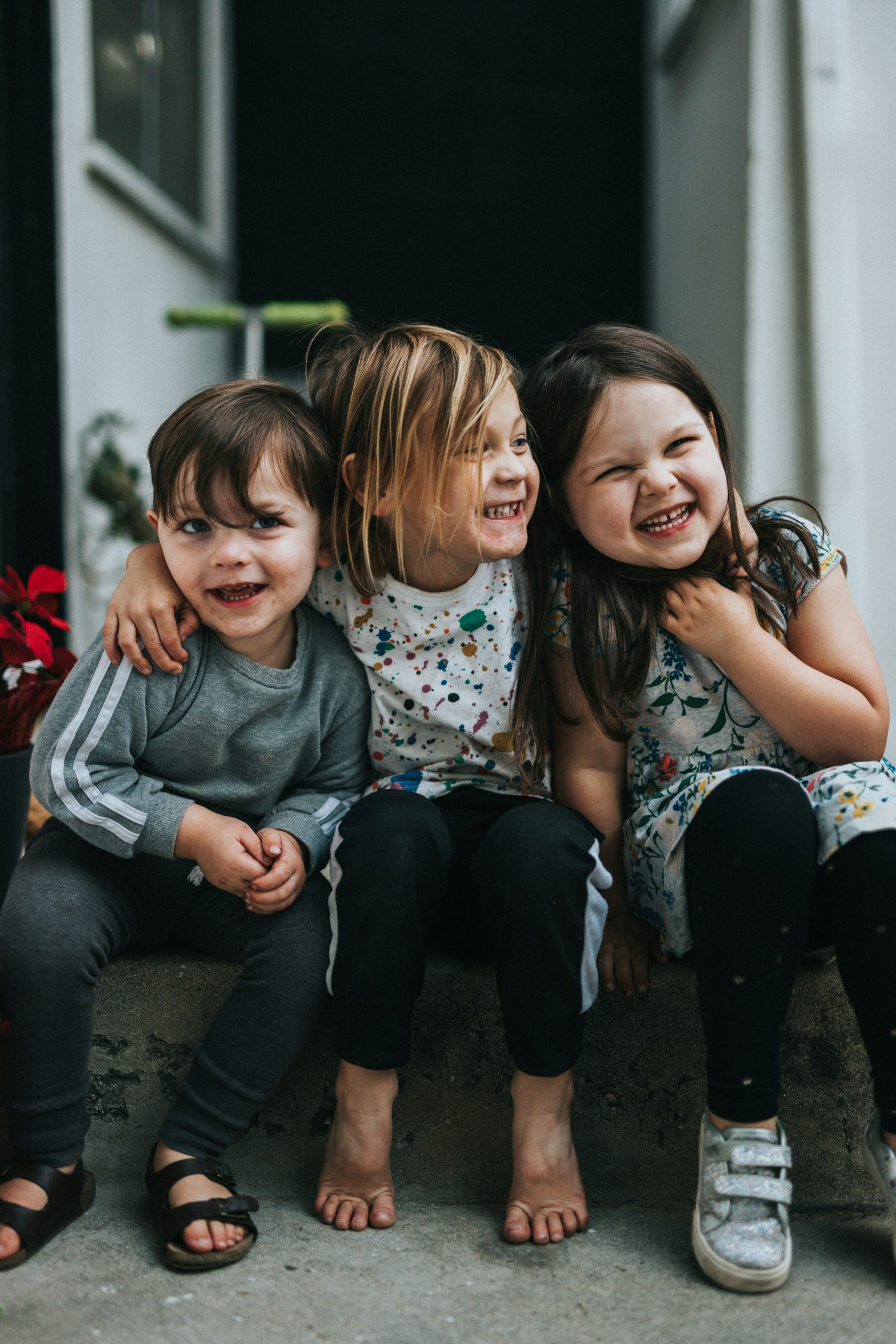
Jesus was completely different from the religious leaders of his day, he interacted with all levels of society, tax collectors, the poor, the lame, lepers, the untouchable, with women and with children; Jesus loved children and was regularly surrounded by them, interacting with them as he recognised and identified with their qualities.
When grown into adults the qualities Jesus identified with should still be present, we need to hold onto them and use them. Adults should be more like children.
As adults we can get hung up on ‘who is more important’, and this is all to do with our pride, which we need ‘wringing out’ of us. Jesus’ twelve disciples were no different as it was a regular topic of conversation and the disciples were embarrassed, not liking to admit their discussions to Jesus. This of course was pointless, because Jesus knew, he always knows. We cannot hide anything from Jesus either. But how did Jesus deal with it?
Matt 18 v 1-4, Jesus says, ‘Unless you TURN and become like children…’, and he doesn’t mean by playing with toys, he means by ‘humbling ourselves’. Spending time with young children, as Jesus did, is a good reminder to us of their humility. How often do we spend time with children? They are a blessing as they can teach us so much.
Matt 19 v 13-15: The parents or teachers were bringing the children to Jesus, so he could ‘lay his hands upon them and pray for them’. Do we pray for our children, our grandchildren? Jesus says, let the children come to him, because ‘to such belongs the kingdom of heaven’, it belongs to those who are childlike, those who are not absorbed with themselves, humble like a child. We can learn from children.
Matt 21 v 15-16 Jesus goes further. In the aftermath of his entry into Jerusalem and clearance of the Temple forecourts, the chief priests and scribes were criticising what the children were shouting out; ‘Hosanna to the Son of David!’. Jesus quotes from Psalm 8 v 2, ‘Out of the mouths of babies and children, you have perfected praise’ you have arranged praise for yourself, something meaningful and important and true, will be spoken by children. He actually changes the words of the Psalm slightly, as only Jesus can, the Psalm talks about ‘laying a strong foundation’. Something foundational, something not to be ignored or dismissed, coming from the mouths of children. What do we make of this?
Children are an integral, vital part of God’s family, of his plan and purpose. Children are not to be dismissed. Children often have a knack of expressing the purpose of God in a simple and direct manner which we would listen to it as it gives us a responsibility to expose them to the words of God that are only found in the Bible. These words and thoughts our children absorb more readily and without reservation, than we do.
And of course, one final area where we can learn from our children is that of trust. A child implicitly trusts its parents, its father. The lesson for us is to show that same kind of total trust in our Father in heaven, who loves us so much that He gave us His only Son, that whoever believes in Him, will have everlasting life.