The Interruption You Didn’t Schedule

Tuesday will look a lot like Monday. Next year will look a lot like this one too. Most of us live like that. We assume life will stay as it is. Usually it does. That is where the trouble hides.
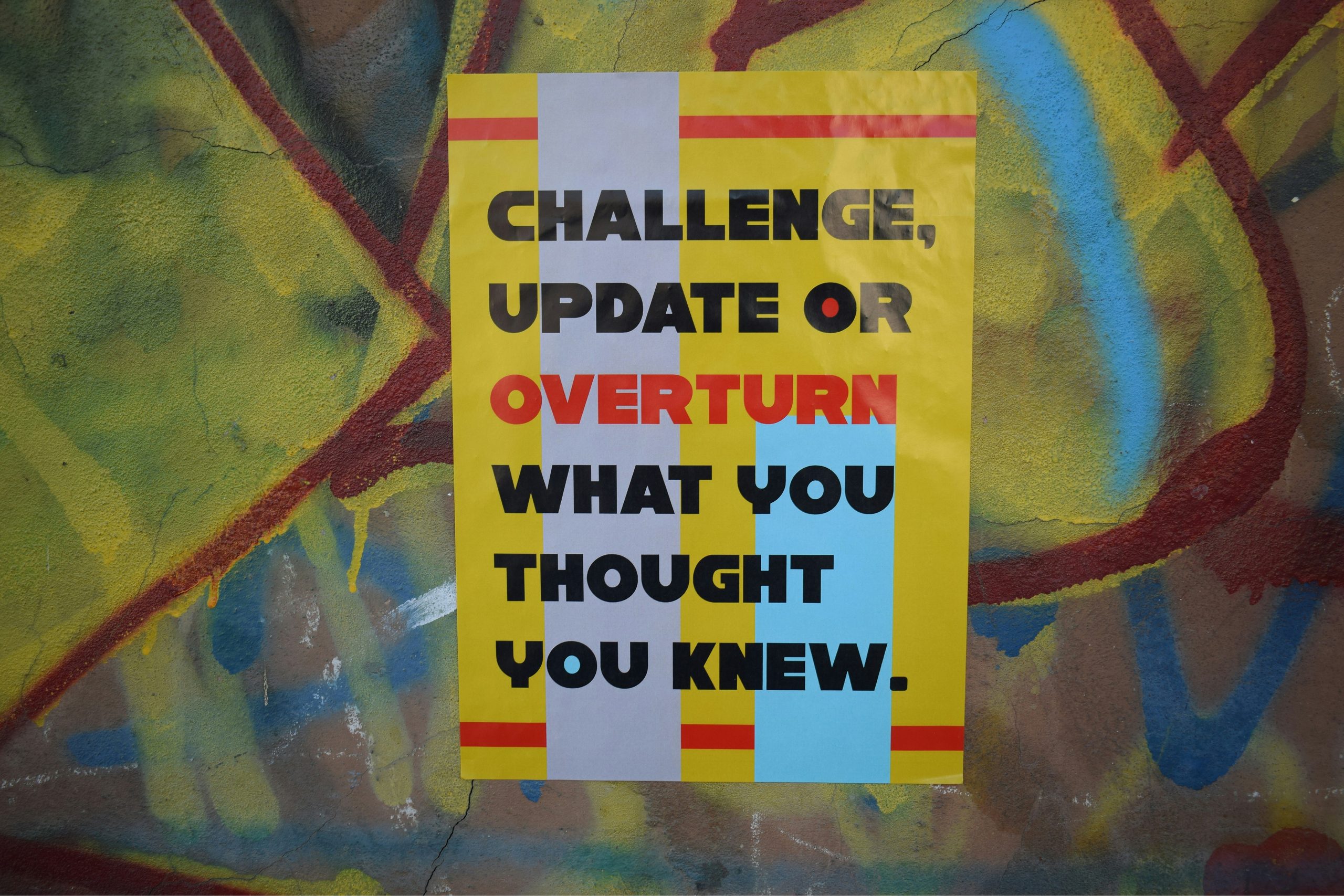
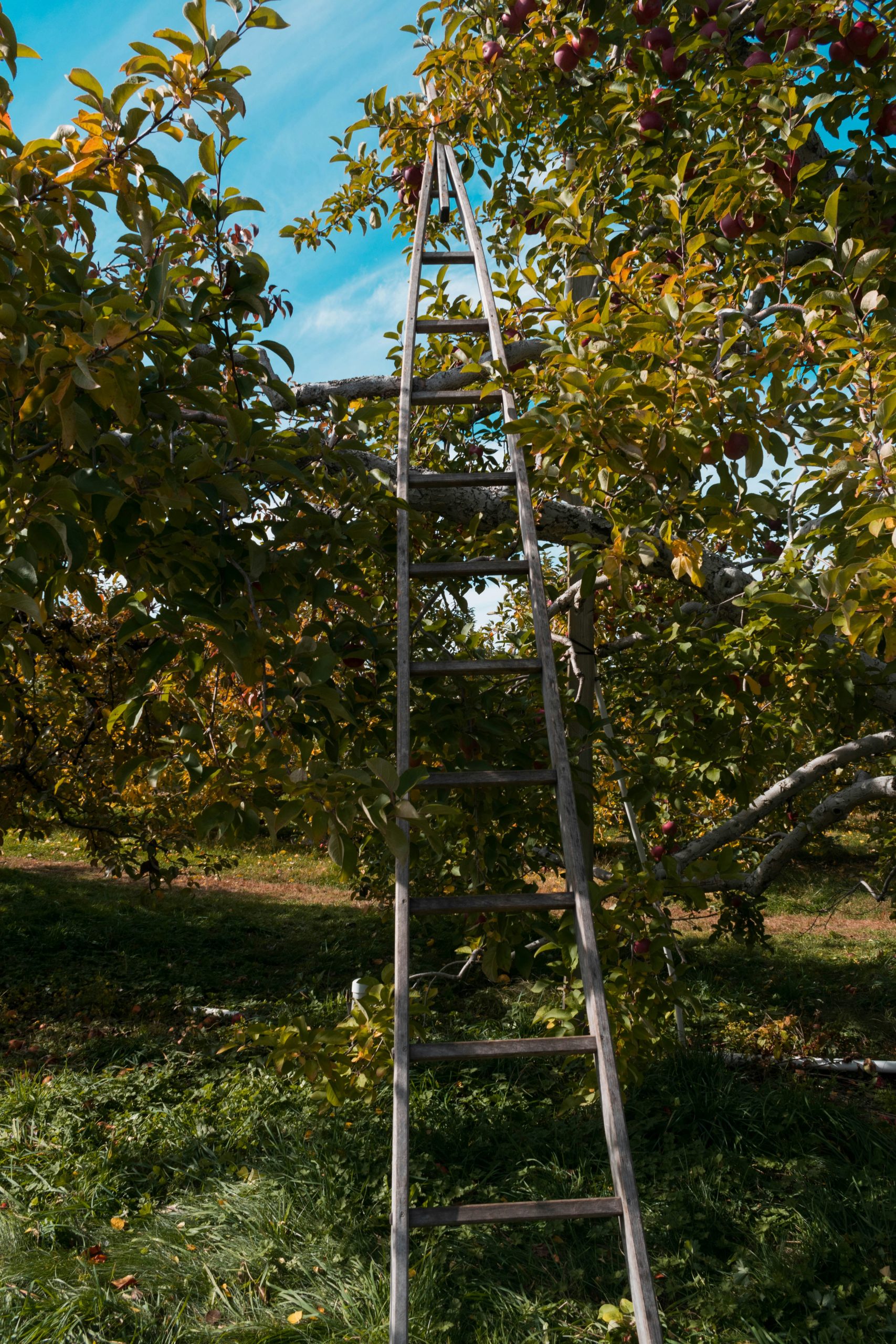
Photo by Marija Zaric on Unsplash

Acts 10 tells the story of Cornelius, a Roman officer. He had a good life. He was generous. He was devout. He was well liked at home. The Bible speaks well of him too. That makes what happens next surprising.

He doesn’t get praise. He gets interrupted.

It is three in the afternoon, the hour of prayer. A familiar part of the day. Then something breaks in. He is told to send for Peter, a fisherman he has never met. It makes no sense. And the message is plain: Cornelius is missing something.

Read the chapter and a pattern of interruption stands out. An angel interrupts Cornelius at prayer. A vision interrupts Peter at lunch. Messengers interrupt Peter while he is still thinking about the vision. Then Peter is interrupted again in the middle of speaking. Four interruptions. None of them convenient. All of them kind.

Here is the uncomfortable bit: a well-run life is hard to interrupt.

If your days are chaos, you expect change. But if life is working — a career, a routine, a settled set of views — you want to keep it going. Every hour is spoken for. Every question already has an answer. That is not always arrogance. Sometimes you are just busy, and life feels fine.

And notice this: Cornelius was not resisting anything. He was praying. It was habit. He was not expecting interruption.

Most of us are closer to that than we want to admit. We don’t reject a new way of life. We just never leave room for it.

An uninterruptible life does keep us safe, in a way. Safe from being wrong in a way that changes us. Safe from having to let go of a grudge. Safe from facing that two-in-the-morning ache of anxiety, because managing it feels easier than letting anything heal it.

But that’s not peace. It is a stalemate. And God loves us too much to leave us there.
Look who does the interrupting. Cornelius would never have thought of sending for Peter. Peter would have called the whole thing out of the question. Neither of them planned it. Both ended up somewhere neither could have reached alone.

The initiative was never theirs. It was God’s. That is how new life begins. Not with us improving. With him coming in. At the end of the chapter Peter says they killed Jesus, hung him on a cross. Finished. Buried. But God raised him to life on the third day.

Two small words: but God. Not you tried harder. God acted. Paul says that while we were still sinners, God showed his love for us (Romans 5:8). He tells the Ephesians, “But God, rich in mercy, made us alive” (Ephesians 2:4-5). Grace is always like that. It arrives before we think to ask.

So the question is not whether you are a good person. Cornelius was. The question is simpler: are you still reachable by a God who wants to give you more than you have settled for?

Perhaps something in you feels unsettled. A discomfort you cannot quite file away. A quiet sense that life is respectable but still hollow. Every instinct says tidy it up. Get back to the routine. Prove everything is fine.

Don’t. That may well be Him, and He is not coming to scold you.

Cornelius could have finished his prayers and died admired by those who knew him – and unchanged. Instead he sent for the man. He left the routine open long enough for Christ to walk in.

Hope rarely knocks politely. God interrupted a good man’s prayers to give him Jesus.
Let him interrupt yours.

There’s something brilliant about a World Cup

There’s something brilliant about a World Cup. For a few weeks, the whole thing feels like one big football party. Countries come together, they compete hard, and somehow it all stays peaceful. There are tackles, tension, joy, heartbreak — but it ends properly. Someone wins the cup, everyone knows it, and that’s that.

That’s what makes it feel so unusual. It’s like a little oasis in a world that is otherwise full of mess.

Because when you look beyond football, the picture changes fast. The wars in Ukraine and the Middle East go on and on. No one can point to a final whistle. No one can say, “Right, that’s finished now.” There’s no agreed ending. Just more suffering, more uncertainty, more headlines that never really feel like they belong to the past.

Football shows us what competition can look like when it is kept in bounds. War is what happens when those bounds are gone. And that contrast matters.

Christians have a different kind of hope. We do not believe history is just drifting somewhere without direction. We believe it is going somewhere definite. And there is a moment coming that everybody will have to reckon with. The Bible says, “When Christ, who is your life, appears, then you also will appear with him in glory” (Colossians 3:4).

That’s the real ending.

Not fuzzy. Not partial. Not another ceasefire that might fall apart later. Christ appears. Glory comes. The world is changed. That is the Christian hope, and it is not wishful thinking. It’s a promise.

So yes, enjoy the football. Enjoy the flags, the noise, the skill, the ridiculous emotion of it all. It is good to see nations meet in peace, even if only for a while.

But maybe that is why the World Cup speaks to us. It gives us a small taste of something better. And for Christians, the better thing is not just a tournament that ends well. It is a world finally put right when Christ appears in glory.

That’s the ending worth waiting for

Why Right and Wrong Point Beyond Us

Taking the correct path

Some things aren’t just unpopular or outdated. Some things are just wrong.

Cruelty to children. Betraying a friend. Exploiting the weak. Lying to protect yourself while someone else pays the price. Deep down, we don’t treat these as matters of taste, like preferring tea to coffee. We know they reflect something real.

That is where the moral argument for God begins.
Human beings don’t merely have preferences. We have a sense of obligation. We know there are things we ought to do, even when we don’t want to do them. We ought to tell the truth. We ought to keep promises. We ought to care for the vulnerable. We ought to forgive. We may ignore that voice or bury it under excuses, but we can’t quite silence it.

The question is: where does that “ought” come from?
If the universe is only matter, energy, time, and chance, then morality becomes difficult to explain. Atoms don’t produce duties. Chemicals don’t create commandments. Evolution only gives an explanation why certain behaviours are useful for survival. But “useful” isn’t the same as “right.” A lie may be useful. Revenge may feel satisfying. Selfishness may help me get ahead. But we still know that some things are wrong even when they work.

The moral argument says this: if there are real moral truths, there must be a real moral foundation. If goodness isn’t just a human invention, then it must be grounded in something beyond ourselves. More than that, it must be grounded in someone. Moral laws are not like the law of gravity. They address us personally: telling us what we ought to do, and holding us responsible when we refuse. They command us and challenge us. This points not merely to a force, but to a personal God who is just and has authority.

Of course, this argument is not just comforting. It’s also confronting. If God is the source of moral truth, then we are not free to invent right and wrong for ourselves. We are accountable to Him. The same moral law that condemns cruelty, lies, and injustice also exposes us.
And that is why the moral argument matters. It’s not just a clever proof. It’s a mirror. It shows us that our hunger for justice, goodness, and love is not an accident. It is a signpost.
We don’t live in a silent universe. Our conscience is whispering. The question is whether we are willing to listen.

Why There’s Something Rather Than Nothing: A Clue Toward God

Watercolour painting of the Earth. MD
Matthew 6:10: “On earth as it is in Heaven”

The Glowing Orb 

Picture walking into a room and finding a glowing orb hovering in mid-air. Your first thought would be, “Why is that there?” No one would just shrug and say, “It just is.” Everything we come across seems to have a story — a reason it exists — some kind of cause or context.

Now zoom out a bit. The whole universe is like that glowing orb, only bigger and more complicated — full of stars, planets, and people sipping coffee while scrolling through blogs like this one. But here’s the strange thing: the universe didn’t have to exist. It had a beginning, and that naturally leads to the question — why is there something rather than nothing at all?

Looking for an Explanation

Everything around us — you, me, oceans, mountains, even puppies — exists, but none of it had to. So what explains it all? You can trace one thing back to another — a tree grows from a seed, a seed from another tree — but at some point, the trail can’t just keep looping forever. There must be some ultimate reason why there’s anything here to begin with, something that doesn’t rely on anything else to exist. Philosophers call it a necessary being. We call Him God.

A Thought Worth Considering

This line of thinking isn’t meant as a tight proof that God exists; it’s more of an invitation to wonder. If we naturally look for explanations behind small things — an odd light in the sky, a knock at the door, a random text at midnight — why would we stop asking when it comes to everything? The idea that the universe has an underlying reason or purpose feels like a thought worth taking seriously. Maybe that quiet sense of order we notice in the world isn’t an illusion, but a clue.

Will I Ever Be Good Enough? Why “Life as a Ladder” Keeps Us Climbing—and Crushed

Photo by Alexandra Lowenthal on Unsplash

We love ladders. We love rankings and scores. They show us where we stand.

In life, we ask, “Am I good enough?” We climb if we feel low. We hold on if we are high. But ladders trap us. They don’t set us free. The singer, Madonna, once said her fear of being average drove her. Praise fades.

The climb never ends. We bring this thinking to faith. We count rules and compare ourselves. “Am I good enough for God?” Ephesians lists many commands. It is hard to remember and do them all. Trying to be good feels tiring, like endless climbing. Jesus challenges this. In Mark 10, a man calls him “good teacher.” Jesus says, “No one is good except God.” There is no ranking here. Goodness is not a score.

Then Jesus asks for the impossible. “Sell everything.” He isn’t raising the bar. He shows the ladder itself is broken. We cannot climb our way to God. “With man this is impossible. With God all things are possible.” We are made right with God by grace through faith—not by climbing rules (Eph. 2:8–9).Commands are not gone. They move place. Ephesians 4 says to change: put off the old self, be renewed, put on the new self. Obedience grows out of who we are, not by climbing steps. Apples grow from trees, not ladders. The gospel cuts down the ladder and plants a new life.

Step off. Accept grace. God will change you from the root, so good actions come naturally—like fruit, not desperate climbing.

The Big Leap Project

Our second look at this series of inspirational faith videos which have been put together.
This one is from Todd who was struggling with his business. Read what he has to say here: The Big Leap Project.

How Jesus Saved My Family’s Business When Nothing Else Could

When a family business was on the verge of collapse and nothing else seemed to work, they turned to Jesus—and everything changed. This is a story of unexpected hope, real struggle, and the power of faith to bring light in the darkest moments. If you’re feeling stuck or searching for direction, this testimony offers powerful encouragement. __ At The Big Leap, our mission is to empower people to embark on explorations of faith, and to help people strengthen their faith muscles in the journey of life.

When Hope Feels Hopeless: Lessons from Joseph of Arimathea

Photo by Stefano Pollio on Unsplash

Have you ever felt swallowed by spiritual darkness, where prayer seems pointless, Bible reading feels empty, and hope is just a memory? Maybe you’ve trudged through weeks, months, or years of faithful obedience, only to wonder if anyone—God included—even notices. If so, you’re not alone. The story of Joseph of Arimathea is for you.

Picture the scene: Good Friday. For Joseph, it was anything but “good”—it was the day his hopes died. Jesus, the one he secretly believed was the Messiah, lay lifeless, crucified by Roman brutality. The twelve disciples had vanished in fear. Yet Joseph, a respected leader and previously a “secret” disciple, did something extraordinary. He stepped out of the shadows, asked Pilate for Jesus’ body, and buried him in his own expensive tomb. He risked his reputation, his ritual purity, and his future—all for a King who, by every outward appearance, was defeated.

Why? Because Joseph kept looking for the kingdom of God, even when the King seemed dead. He obeyed when obedience looked pointless. He planted seeds of hope in a soil that felt dry and barren.

Most of us want faith to feel easy, visible, and rewarding. But Joseph’s story challenges us to keep searching for God’s kingdom when all the evidence screams “give up.” His quiet courage reminds us that God’s kingdom often moves forward in the darkness—through unlikely, unseen obedience.

So here’s the challenge: When your faith feels futile, when hope seems buried, will you dare to obey anyway? Will you keep praying, keep hoping, keep looking for God’s kingdom—even when you can’t see it? Set your heart like a watchman for the dawn. Defy despair. The resurrection didn’t just change Joseph’s story—it can change yours, too.

Will you be courageous enough to hope in the dark?

Ever felt like God is running late?

In Mark 5, Jairus begs Jesus to save his dying daughter, but Jesus stops to help a suffering woman. The delay is agonizing—so much so, Jairus’ daughter dies. But Jesus’ timing isn’t our timing.

He tells Jairus, “Don’t be afraid; just believe.” Through this story, we see three powerful truths: God’s grace works beyond our schedules, it’s for everyone—no matter status or background—and Jesus is always trustworthy, even when hope seems lost. The gentle resurrection of Jairus’ daughter with the words “Talitha koum” shows both Christ’s power over death and his tender love. Ephesians 3:20 reminds us God can do “infinitely more than we might ask or think.” Don’t rush the One who loves you most. Let go of fear, embrace courage, and trust that God’s timing—though mysterious—is always perfect.

Photo by Deepak Gupta on Unsplash

Inspired by God’s word

Recently I shared some pictures illustrating the Lord’s prayer.  There was some very kind feedback, so I wanted to share another inspirational Bible passage, which is Psalm 23.  This is a firm favourite at church services, either read from the Bible or sung as the hymn based on the words of the psalm.  The photographs were chosen to illustrate different phrases.  I wonder what pictures come to your mind ?

The Lord is my shepherd, I lack nothing.  He makes me lie down in green pastures,

he leads me beside quiet waters, he refreshes my soul.  He guides me along the right paths for his name’s sake. 

Even though I walk through the darkest valley, I will fear no evil, for you are with me; your rod and your staff, they comfort me.

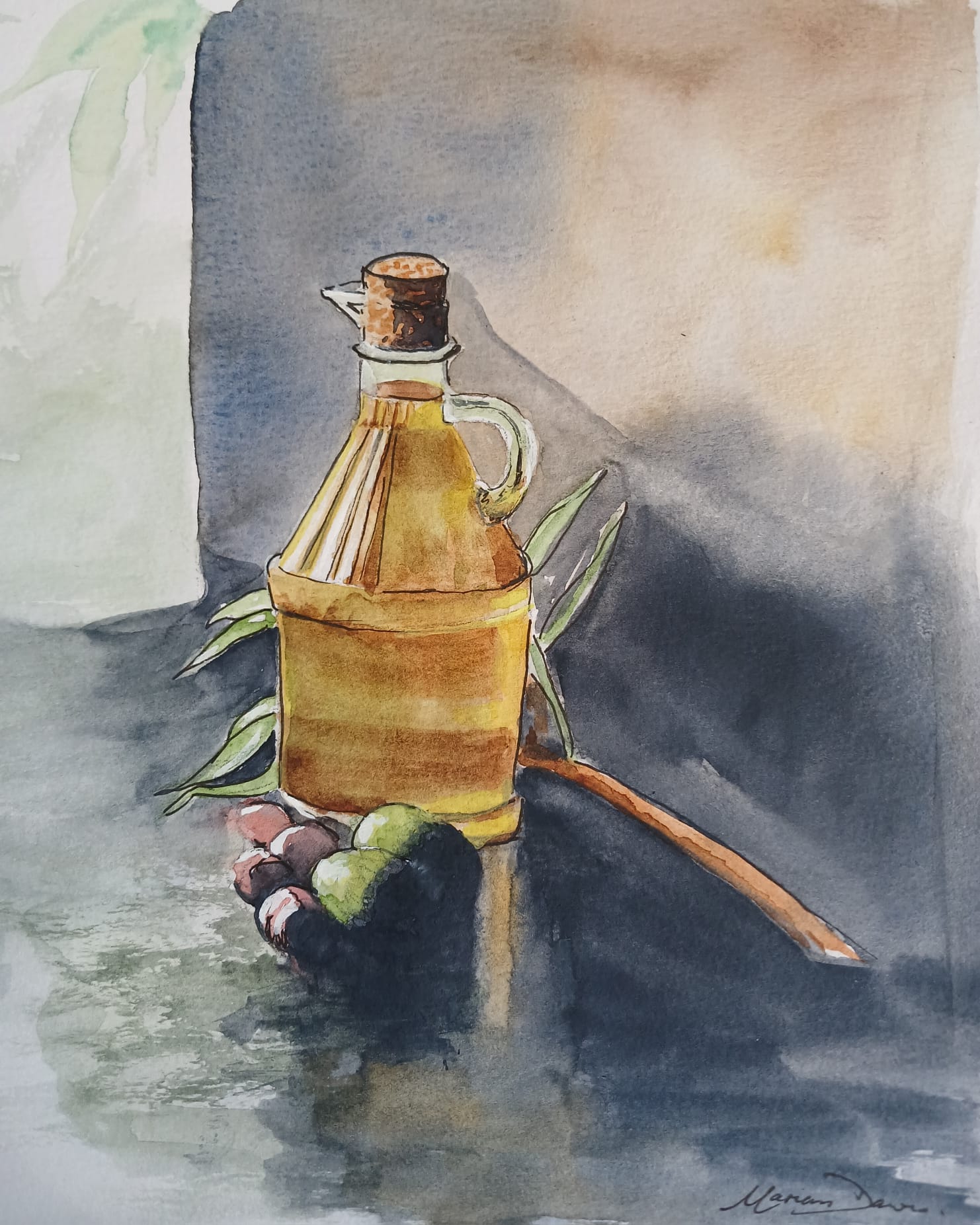
You prepare a table before me in the presence of my enemies.  You anoint my head with oil; my cup overflows.

Surely your goodness and love will follow me all the days of my life, and I will dwell in the house of the Lord forever.

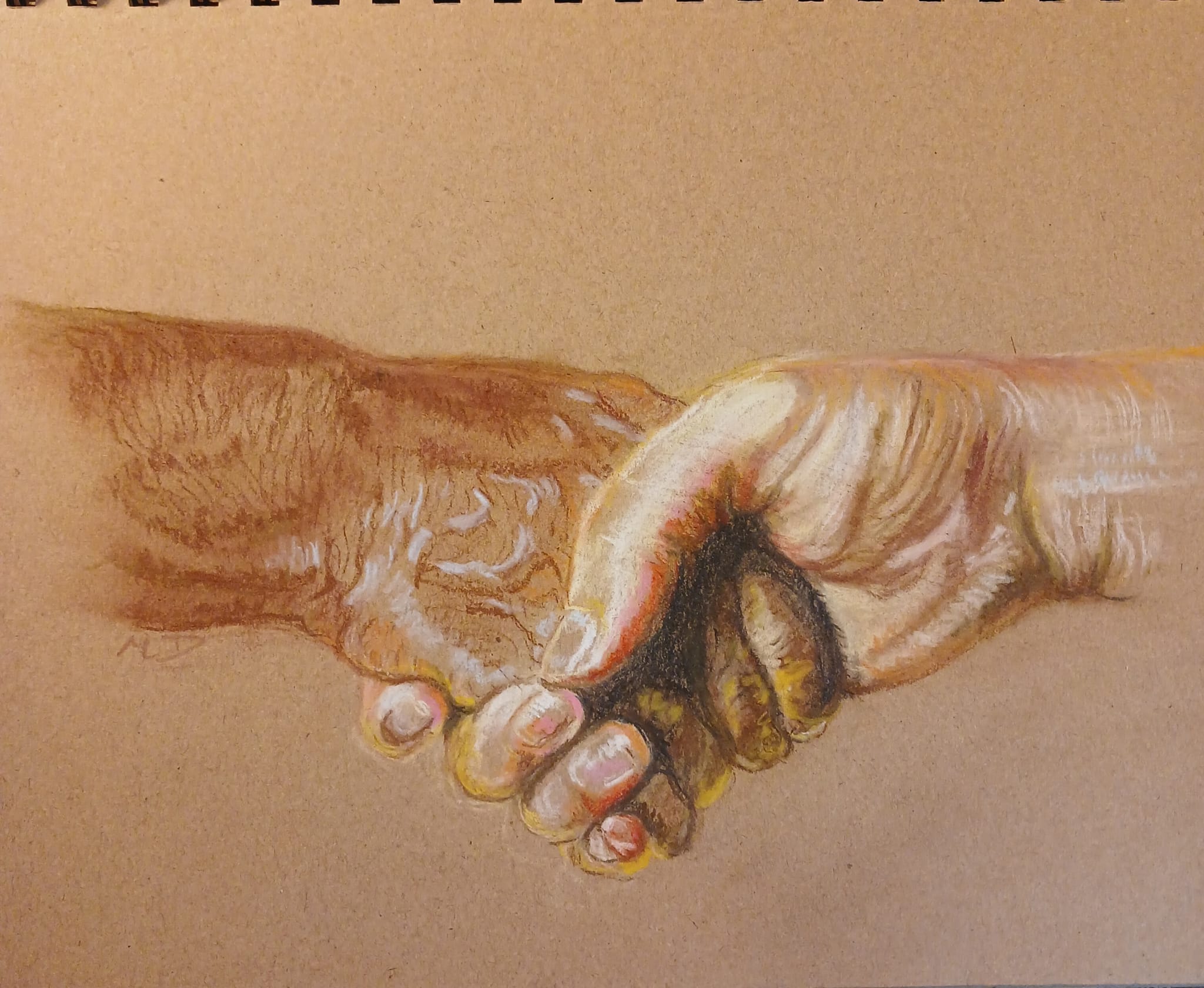
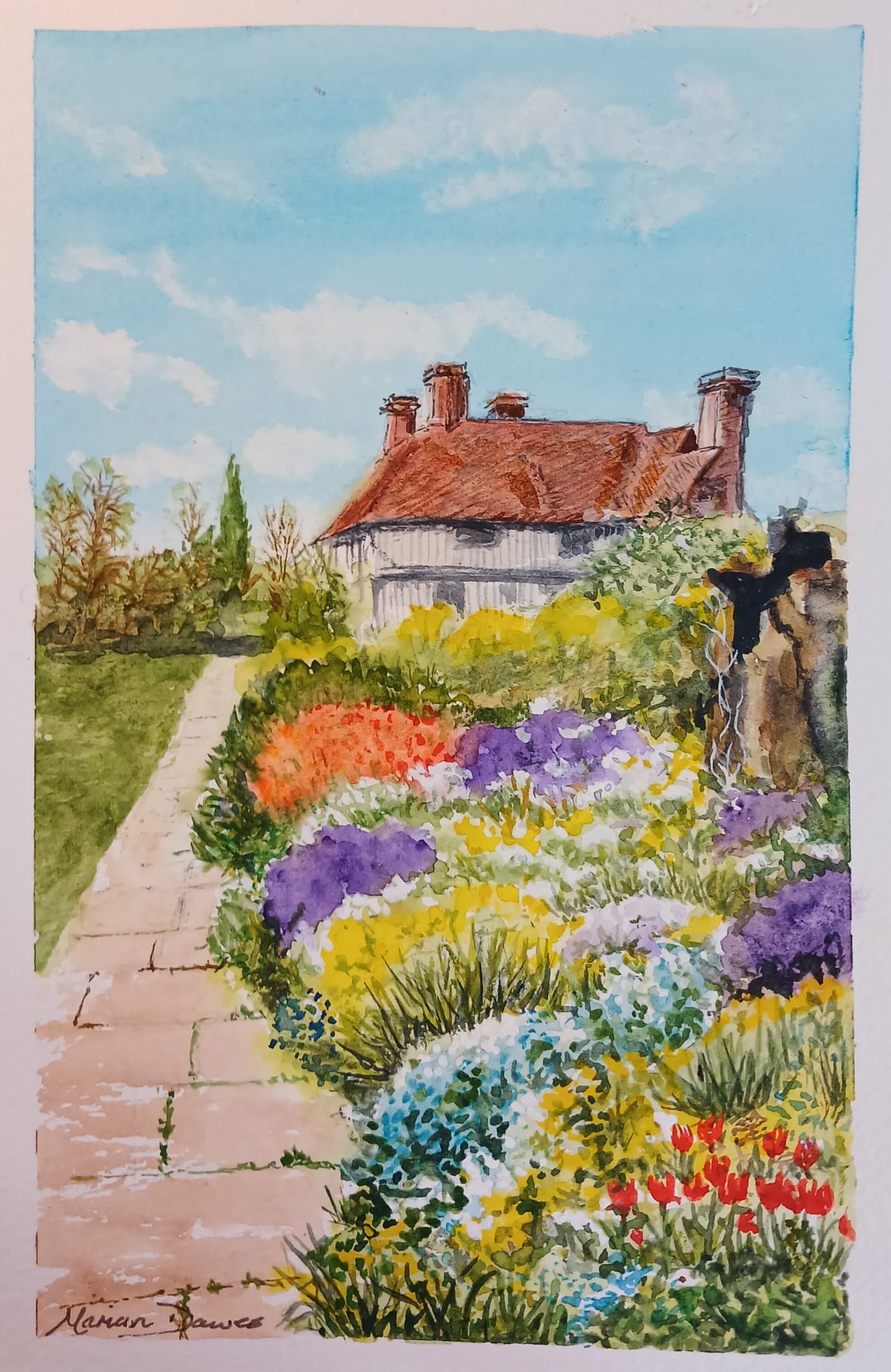
And here are a handful of the paintings that were produced as a result of sharing these verses and pictures. 

Bible references: New International Version

Images from Unsplash.com :
Sheep on hillside with sunset: Jaka Škrlep
Still waters: Jenn Wood
Dark Valley: Karsten Wurth
Hands: Ave Calvar
Table: Kevin Schmid
Oil: Roberta Sorge
Overflowing cup: Ephraim Mayrena
Daisies: Garston Roulstone
Scottish Lake: Gary Ellis

Images from Pexels.com:
Shepherds Staff: Photo by Mehmet Has

Images from other sources:
Green pastures: Sally Taylor

Who can we trust?

Fake photographs.  Fake emails.  Fake news.  It leaves us wondering “who can we trust these days ?” 

We live in a world that has so many problems, whether they’re global problems or our own, personal ones.  Many need to be addressed urgently.  So is there anyone we can trust ?

It may be surprising, but the answer is “yes”, there is someone we can trust.  Someone who is always there and never changes.  The Bible tells us about God, the creator of the world, which He created for His pleasure and for a purpose.  It also refers to Him as a Father and that we are His children.  He is always there and will never leave or abandon us.  We can talk to Him in prayer – to thank Him for what He has done for us, but also to discuss our problems, knowing that He will help.

The Bible explains His plan with the earth and all humankind.  God’s son, Jesus, will return to the earth and rule the nations with peace and righteousness.  God can be trusted to do as He says.  It gives us all hope in what sometimes feels like a hopeless world.  Let’s put our faith and trust in Him.  The Bible says anyone who comes to Him must believe that he exists and that He rewards those who are sincerely seeking Him.

Personally, this has been a great help to me in my life.  Maybe it could help and encourage you in yours, however difficult the problems feel at the moment.  Isn’t it at least worth looking into ?  It costs nothing to open a Bible and see just what God has to say to you.  Maybe it could change your life now and be a wonderful hope for the future when Jesus returns.