
A challenging book
The book of the Judges can be difficult to understand. Its stories contain violence, murder and bloodshed, and some of its accounts are particularly challenging.
The book ends with the words:
“In those days there was no king in Israel; every man did what was right in his own eyes.”
Judges 21:25
What can we learn about God from this difficult book, and particularly from chapter 2?
God is faithful
In verse 1, God says:
“I will never break my covenant with you.”
Human promises can be unreliable, but God’s promises are not. He is constant, faithful and trustworthy.
Yet God also warns Israel about the consequences of disobedience. They were told not to make covenants with the people of the land and to destroy their altars. They were to remove the temptation, because these things would become “thorns” and “snares”.
There is a lesson here for us. What are the “thorns” and “snares” in our own lives? Is there anything to which we have become too attached? Is something becoming more important than our relationship with God?
Sometimes we need not simply to resist temptation, but to remove it.
Saved by grace
Judges tells us that the generation who served the Lord eventually died, and a new generation arose who “did not know the Lord”.
Israel had been commanded to teach their children about God, but somehow that faith had not been passed on.
Yet the earlier generation is still described as serving God, despite their failures. They wept when their disobedience was exposed and turned back to Him.
We are reminded that we cannot earn our salvation. We are saved by grace.
The next generation, however, turned to the Baal, Baal was the name used for a number of Canaanite gods associated particularly with fertility, rain, crops and prosperity. Verse 12 says they:
- forsook God;
- followed other gods;
- bowed down to them; and
- provoked God to anger.
A God who saves
God’s anger was kindled, and the people experienced great distress.
But what happens next is remarkable.
Verse 16 says:
“Then the Lord raised up judges, who saved them out of the hand of those who plundered them.”
These were people who had turned away from God. Yet He saved them.
And when they turned away again, He continued to respond with compassion.
Verse 18 says:
“For the Lord was moved to pity by their groaning.”
What an extraordinary picture of God.
He is not a God who is easily angered. His compassion is greater than our failures. He sees people in distress and is moved to act.
The Good Shepherd
We see exactly the same with Jesus. He is not easily angered, he is in fact only once described as being angry (Mark 3 v 5) but on many occasions he is described as being full of compassion.
In Mark 1:40–41, a man with leprosy comes to Jesus in great distress. Jesus is “moved with pity”, reaches out and touches him, and he is made clean.
Later, in Mark 6:34, Jesus sees a great crowd and has compassion on them because they are:
“like sheep without a shepherd.”
That description could equally apply to the people in Judges—and perhaps to many people today.
And so when we focus on the Good Shepherd, we see the one who lays down His life for His flock.
Not because we deserve it.
Not because we have earned it.
But because of His love.
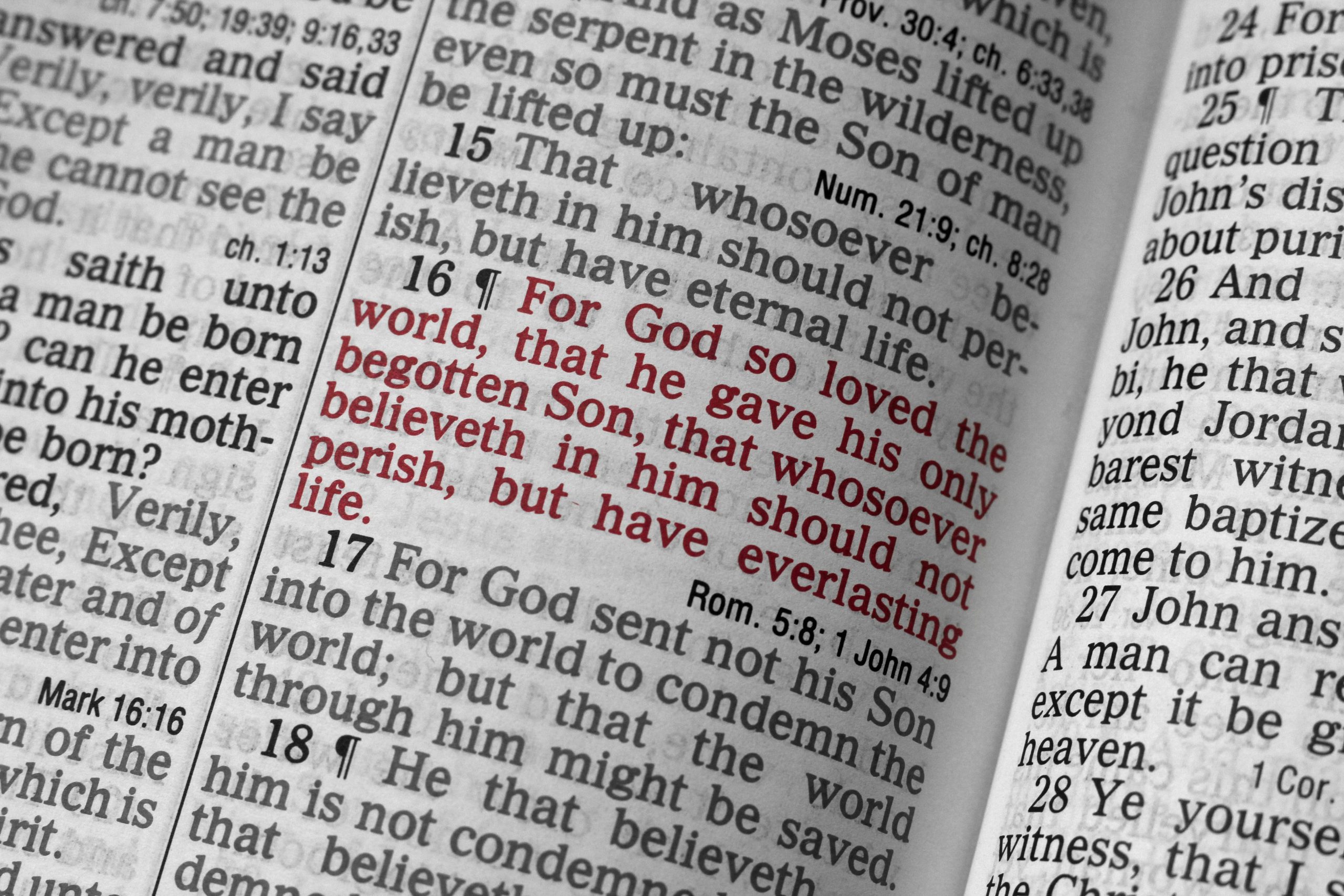
“For God so loved the world that He gave His only Son, that whoever believes in Him should not perish but have eternal life.”
And, wonderfully, Jesus came:
“not to condemn the world, but that the world might be saved through him.”
Saved.
A Saviour sent by a loving Father.
The same God who raised up ‘saviours’ for His people in the days of the Judges has given us the ultimate Saviour—not because we deserve Him, but because of His grace and love.
Let us give thanks for our faithful, compassionate God and for the Good Shepherd who laid down His life for us.
We are saved by grace.