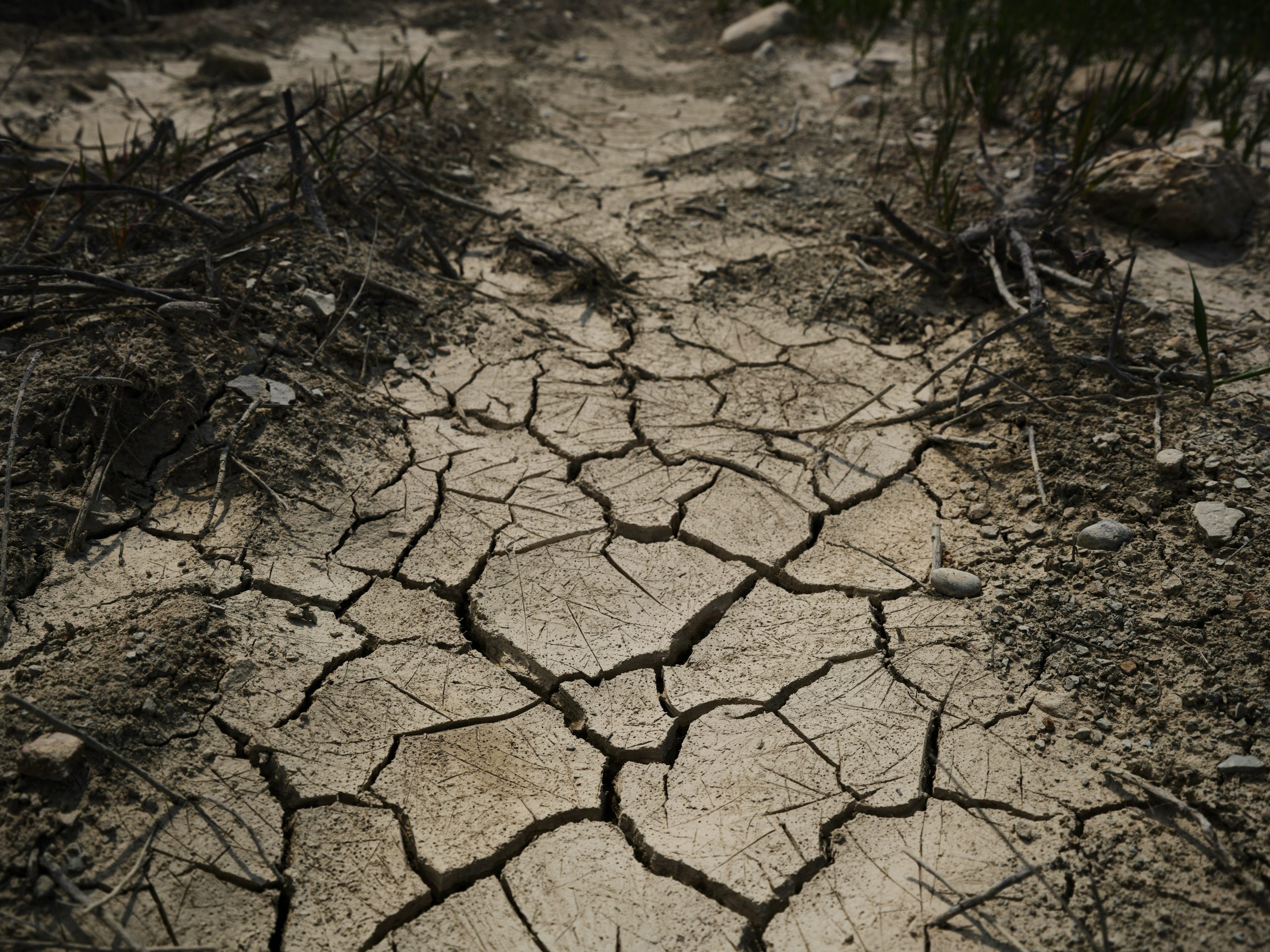
Suffolk’s heathland has burnt. Much of England sits under drought conditions. Temperatures have topped 35°C on seven separate days this year – a record that stood since 1976 has now been broken twice over. Families near Dunwich Heath have watched fire crews battle flames close enough to force evacuations. Health authorities now warn that 2026 may bring the highest number of heat-related deaths ever recorded in this country.
Before anything else needs to be said, this needs to be said plainly: real people have lost homes, livelihoods, and in some cases their lives to this summer’s heat. Farmers are watching crops fail. Elderly and vulnerable neighbours are more at risk than most of us will ever fully appreciate. If you are reading this and have been touched by any of it, our sympathy is genuine – nothing that follows is meant to make light of what you have lost.
It would also be dishonest to pretend there is scientific consensus so settled that no reasonable person could question it. Good, thoughtful people disagree about the precise causes, the modelling, and the policy responses to our changing climate. That debate deserves humility on all sides.
But strip away the arguments over mechanism and cause, and something remains that nobody seriously disputes: things are not right.
Whether through drought, fire, flood, war, or the quieter disasters of illness and loss, we live in a world that regularly outruns our ability to manage it. We build higher sea walls and better early-warning systems, and still the ground cracks and the moorland catches fire. Human ingenuity is real and often admirable – but it has never yet produced a lasting fix for a broken world. Every generation believes it stands one breakthrough away from mastery over creation, and every generation is proven wrong.
This is not a new observation. Scripture has always taken a sober view of what humanity, left to itself, can achieve. “The heart is deceitful above all things” and human plans, however well-intentioned, keep falling short (Jeremiah 17:9). The apostle Paul wrote that creation itself is in “bondage to decay” and groans, waiting for something beyond human effort to set it right (Romans 8:20-22).
That “something” is not a policy or a technology. It is a person. The Bible’s hope has never been that humans will eventually get it together – it is that Jesus Christ will return to establish God’s kingdom on earth, and that under his rule the deserts will bloom, the burning ground will become a pool, and creation will finally be set free (Isaiah 35:1, 7). That is not wishful thinking offered instead of real answers; it is the only answer big enough for a world this fragile.
If this summer has left you unsettled, that unease is worth listening to. It may be pointing you toward a hope that does not depend on us fixing ourselves.