Entry into Jerusalem – Matt 21 verses 1-17

Jesus is journeying to Jerusalem, his whole life, his whole purpose has been a journey towards Jerusalem. Our life, having committed ourselves to walking with Jesus, is a journey towards Jerusalem.

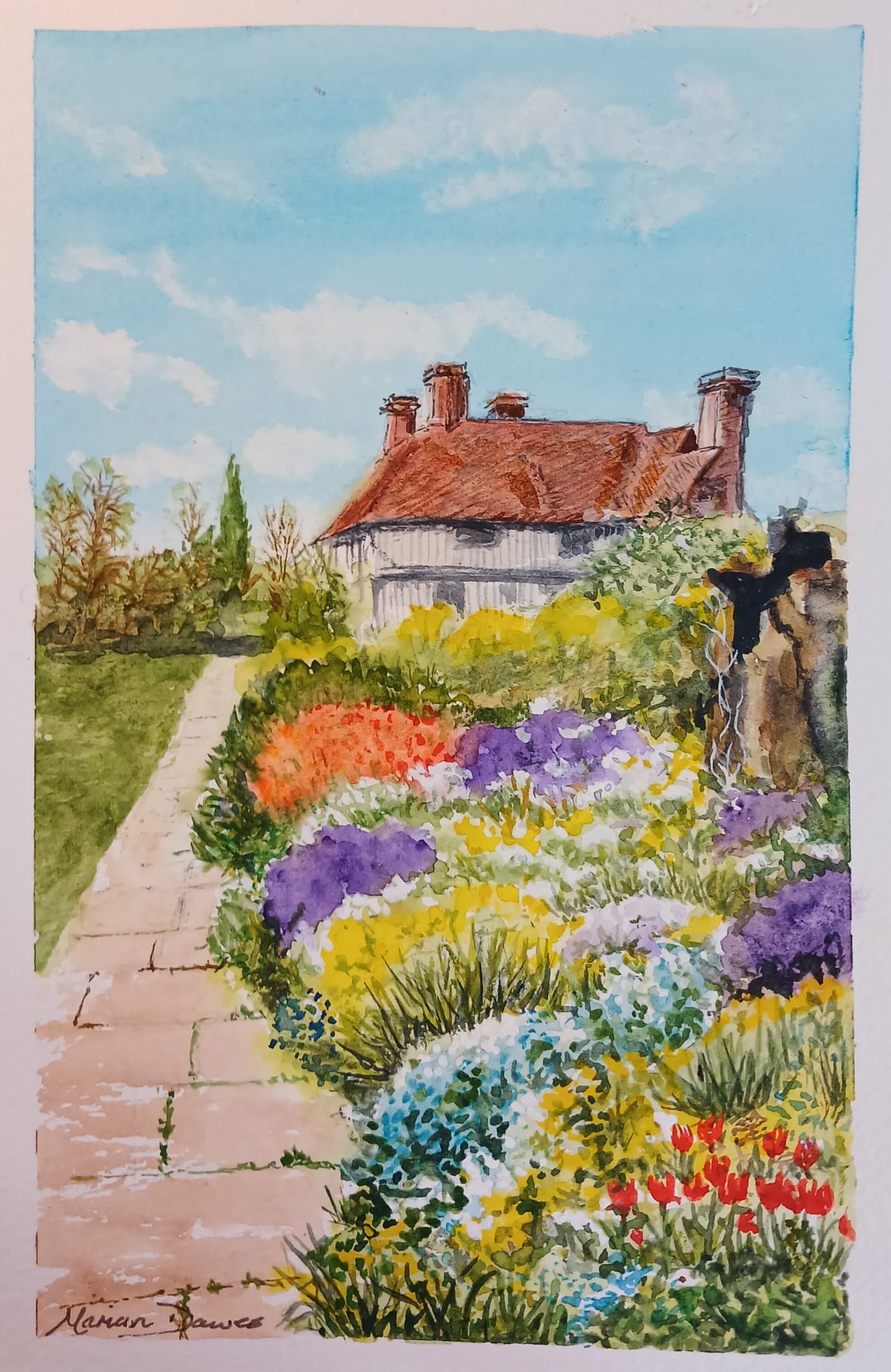
In verse 1, ‘they drew near to Jerusalem and came to Bethphage, to the Mount of Olives,’. This is a very visual verse. Jesus could see his destination, the place where he would fulfil the task his Father had called him to, in all its pain and humiliation. You would imagine, at that point, he wanted it over, but it wasn’t about him, or what he wanted, it never was and never would be, it was always about serving others, seeking their interests first and there was more to do, what an example to follow, how do we measure up, is our focus on our needs, or on others? We know where our Lord’s focus would be, as we see demonstrated in the closing chapters of Matthews gospel. Everything is planned, Jesus, as he always did, is managing the situation, making sure all is fulfilled, and so he sends two of the disciples (un-named people – could these be us on an important errand. Very precise instructions that needed to be followed, as we need to follow our Lords instructions in our lives.
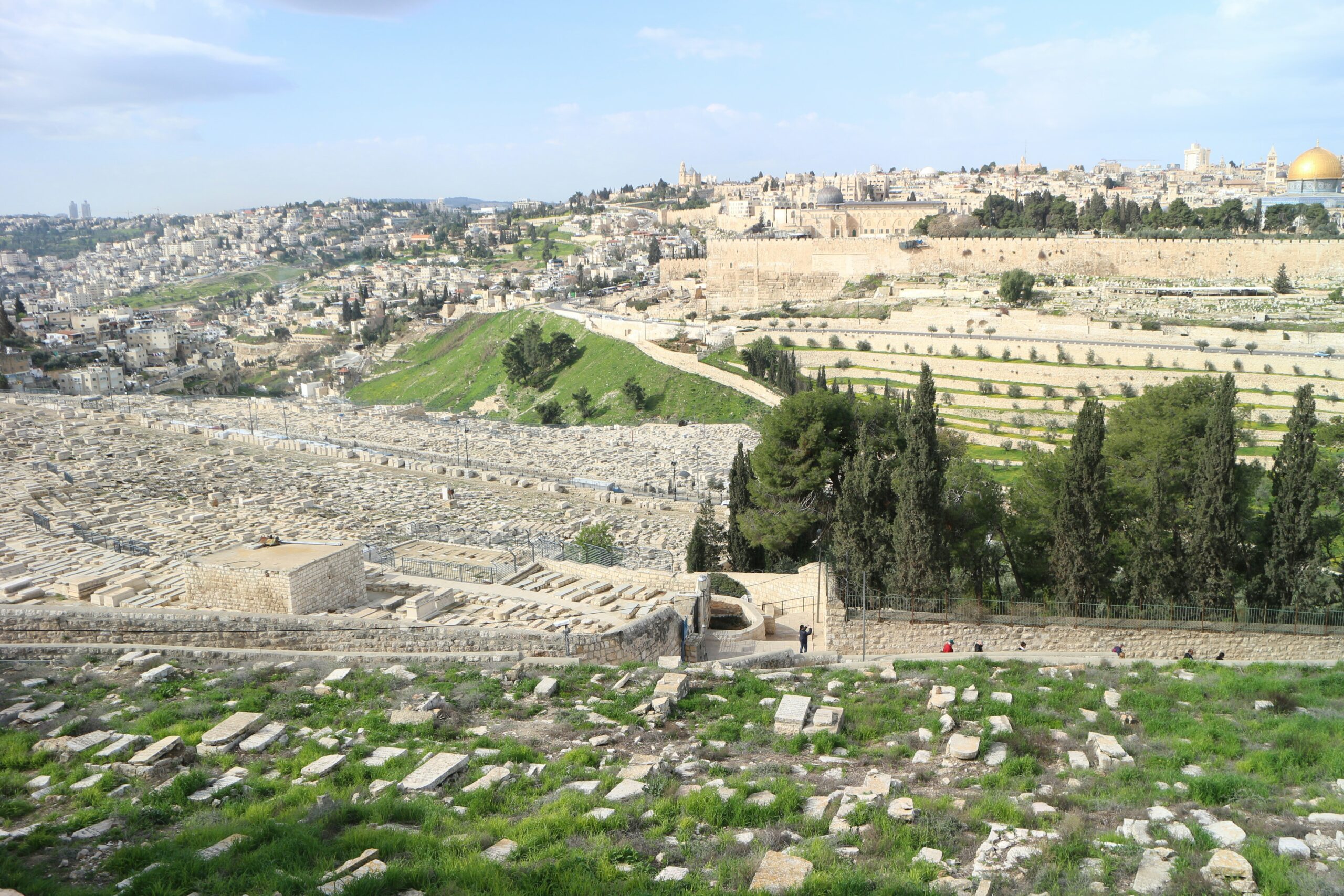
Jerusalem from the Mount of Olives

They are sent to fetch a donkey, but not any donkey, and not actually only one donkey, it is only Matthew who mentions this detail, but they were sent to bring two donkeys, the older, mother and its colt, it’s offspring. Why did he need two when surely, he would only ride on one of them? Or did he, start out on one and then switch halfway? There is no indication of that. You could answer, because that is what the prophet had said, Zechariah 9 verse 9, but then why did God through Zechariah, mention two animals? There is another older prophecy that mentions a donkey’s colt that clearly relates to Jesus, and therefore this event, this entry into Jerusalem.

Genesis 49 verse 11. This is Jacob/Israel at the end of his life, speaking to his sons for a final time before his death, and he talks here to Judah, v 8-10, ‘until he comes’, that is Jesus, and then in verse 11, ‘binding his foal to the vine, and his donkeys colt to the choice vine’, I suspect they are the same animal, the language here is in ‘couplets’, not uncommon in the Bible, two lines that say the same thing in different ways. There is clearly reference here to Jesus as the vine, the true vine, as he claims to be in John 15, and we are the branches, but this passage seems to indicate that Jesus rode on the donkey’s colt, rather than the mother. This is further born out by Mark’s record, Mark 11 verse 2, where only the colt is mentioned, with the added detail, ‘on which no one had ever sat’, until Jesus does, verse 7, ‘he sat on it’. Luke’s gospel is consistent with Marks, again stating, Luke 19 verse 35, that Jesus sat on the colt.

What is this all about?
This entry into Jerusalem is an amazing picture, lots of artists and film makers have tried to capture it, a spectacle, something unprecedented for those who witnessed it and took part in it, ‘crowds’ of people. I imagine the Roman governor was very concerned but to his credit (possibly) he decided to do nothing confrontational, but I believe WE are to visualise this. It appears that Jesus doesn’t speak until he is in the temple and confronted with all the commerce that is going on, and drives the traders out, quoting the prophet again, ‘My house shall be called a house of prayer, but you make it a den of robbers.’ Another intensely visual, dramatic picture. But what are we to learn from ‘SEEING’ the entry of Jesus into Jerusalem?

Verse 5, ‘LOOK (’open your eyes’), your king is coming to you, humble and mounted on a donkey.’ LOOK, take it in.
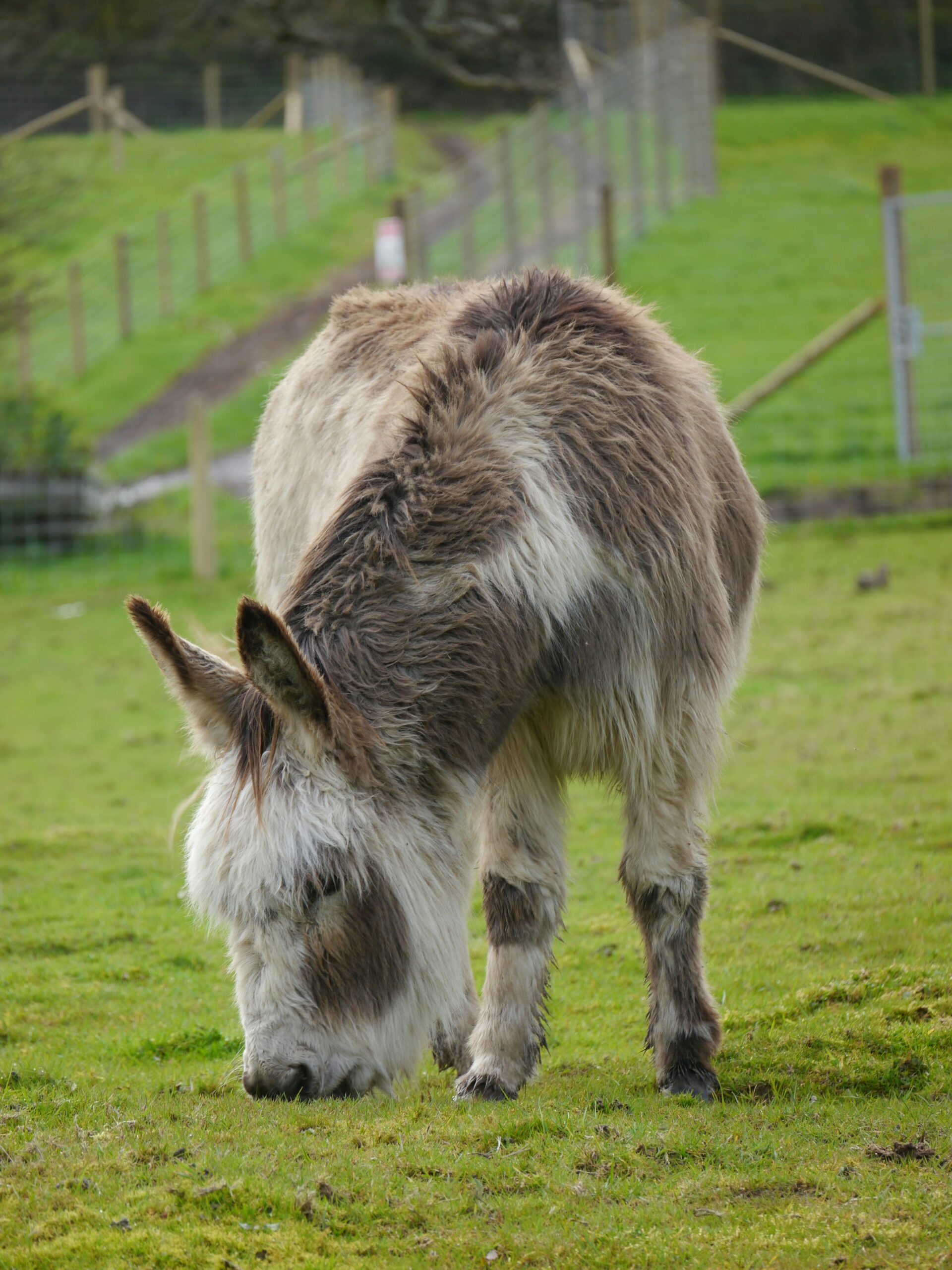
A young donkey which has never been ridden.

Kings don’t ride on donkeys, they ride on horses, and normally surrounded by soldiers also riding on horses. If you ride on a horse, you were way up above the people, aloof, untouchable. On a donkey you were one of the people, very touchable, and on the colt of a donkey, even more so, very touchable, in touch with the people!  Donkeys were working animals, they were used in the fields, and for transport, mainly transporting goods, but sometimes people, mostly the elderly, those who couldn’t walk far, tradition, of course has it that the heavily pregnant Mary rode on a donkey to Bethlehem, but that is not actually confirmed by scripture, although it could well be true. But kings rode on horses, or in chariots, pulled by horses, this was a different kind of king, and this entry into Jerusalem was the most graphic demonstration that this king was different, ‘humble and riding on a donkey.’

Humble, without pride, and without sin. 1 Peter 2 verses 22-23, – no sin,

  • ‘no guile on his lips’, what does that mean? He was completely honest and truthful, never deceitful. What king or politician could ever be described like that? A different kind of king.
  • ‘when he was reviled, he didn’t revile in return’, when he was abused, verbally and physically, he didn’t speak words of abuse in return, or fightback, what kind of king or politician can you say that about?
  • verse 24, ‘and he bore our sins in his body on the tree.’ Only Jesus knew it on that day (even though he had told his disciples often enough), that he was going to his death, when he entered Jerusalem, ‘humble and riding on a donkey’, a different kind of king, not the king they were expecting, a king who instead of kicking out the Romans, would instead willing lay down his life for his subjects, ‘that we might die to sin and LIVE to righteousness.’
  • verse 25, ‘For you were straying like sheep, but now have returned to the Shepherd and Guardian of your souls.’ Not only is Jesus the vine, the true vine, but his also the shepherd, the good shepherd, our shepherd, that we must follow, if we would LIVE to righteousness.

‘Come with me’, says Jesus, says this different kind of king, the king who lived his message, not ‘do as I say, not as I do’, so typical and descriptive of all other kings, leaders of men, ‘do as I do’ says Jesus, ‘humble and riding on a donkey’, follow me, come with me, maybe ‘ride with me’, and I wonder if that is the message of the mother donkey, the second donkey, the un-ridden donkey, that also had garments placed on it, ready to be ridden, an animal that was well used to being ridden, ‘Come to me’, says Jesus, ‘For my yoke is easy, and my burden is light’. ‘I have done the hard part, I have ridden on the colt, that had never been ridden, I have broken it in, I have destroyed the power of death’ (as Hebrews 2 tells us), I lay my sinless life down for you, for us, and ‘He who judges justly’, my Father in heaven will not leave me in the grave, and he didn’t, ‘He is risen’, the angels tell Mary and the other women, and us, follow me, ride with me, and there by his side, as he entered Jerusalem (missed by most of the illustrators, that I have seen), was the clear visual indication that the invitation, from this different kind of king, is for ALL.

Matthew 28 v 19-20, ALL nations, ALL people, ALL ages, through the ages, and we meet together in this way, to share bread and wine, to remember, to be reminded of the means by which that invitation was made possible, to remember our different kind, our unique, our only King, who entered HIS kingdom, ‘humble and riding on a donkey.’
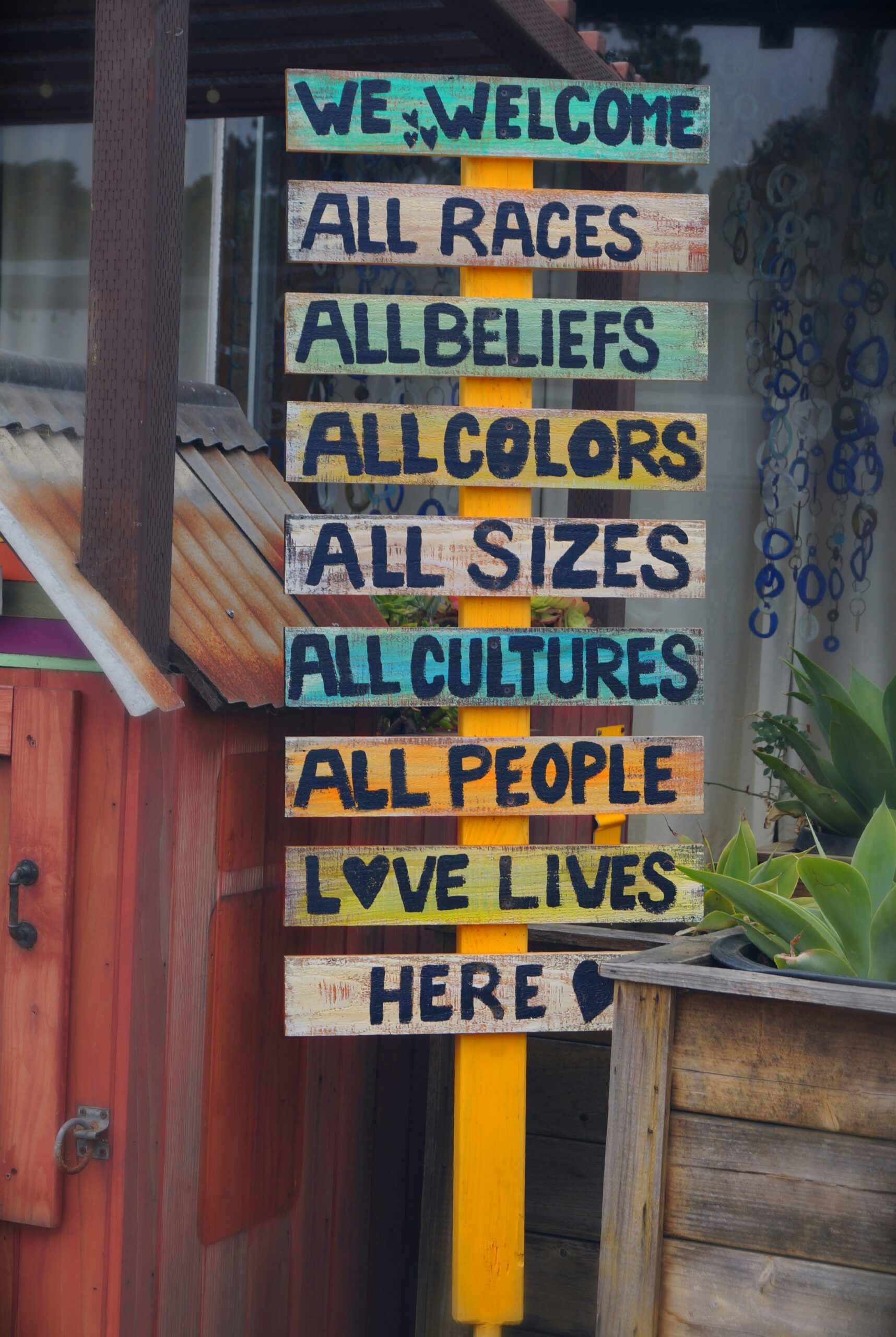

All people, all races, all cultures - everyone.

Inspired by God’s word

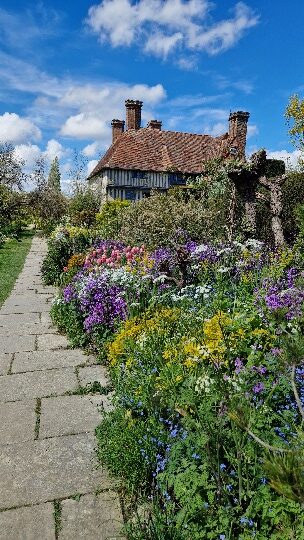
Recently I shared some pictures illustrating the Lord’s prayer.  There was some very kind feedback, so I wanted to share another inspirational Bible passage, which is Psalm 23.  This is a firm favourite at church services, either read from the Bible or sung as the hymn based on the words of the psalm.  The photographs were chosen to illustrate different phrases.  I wonder what pictures come to your mind ?

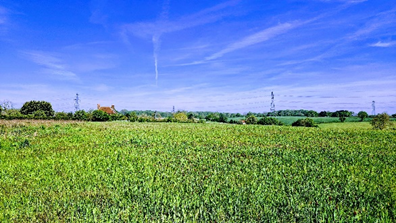
The Lord is my shepherd, I lack nothing.  He makes me lie down in green pastures,

he leads me beside quiet waters, he refreshes my soul.  He guides me along the right paths for his name’s sake. 

Even though I walk through the darkest valley, I will fear no evil, for you are with me; your rod and your staff, they comfort me.

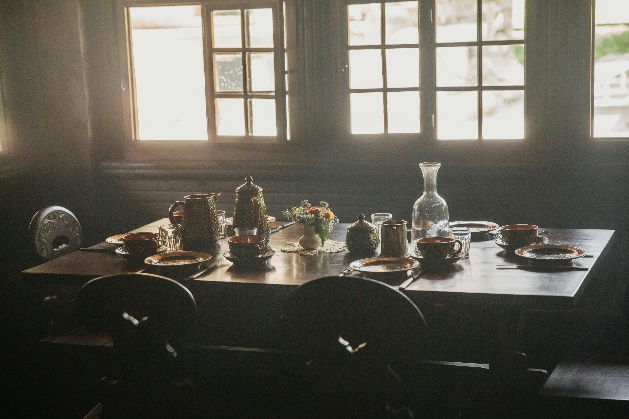
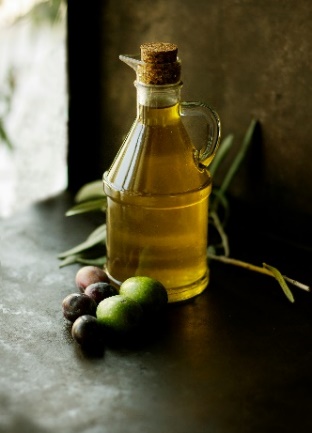
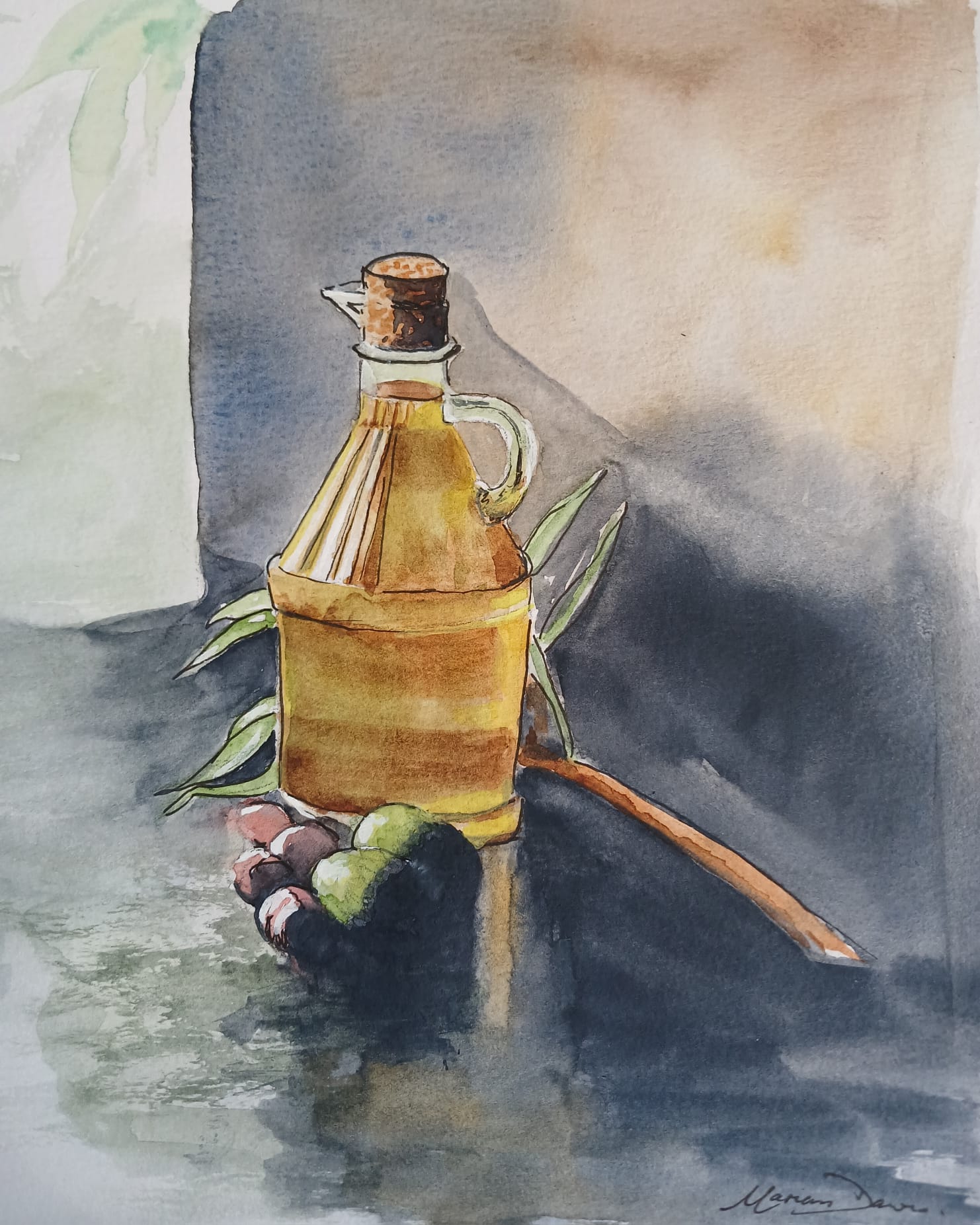
You prepare a table before me in the presence of my enemies.  You anoint my head with oil; my cup overflows.

Surely your goodness and love will follow me all the days of my life, and I will dwell in the house of the Lord forever.

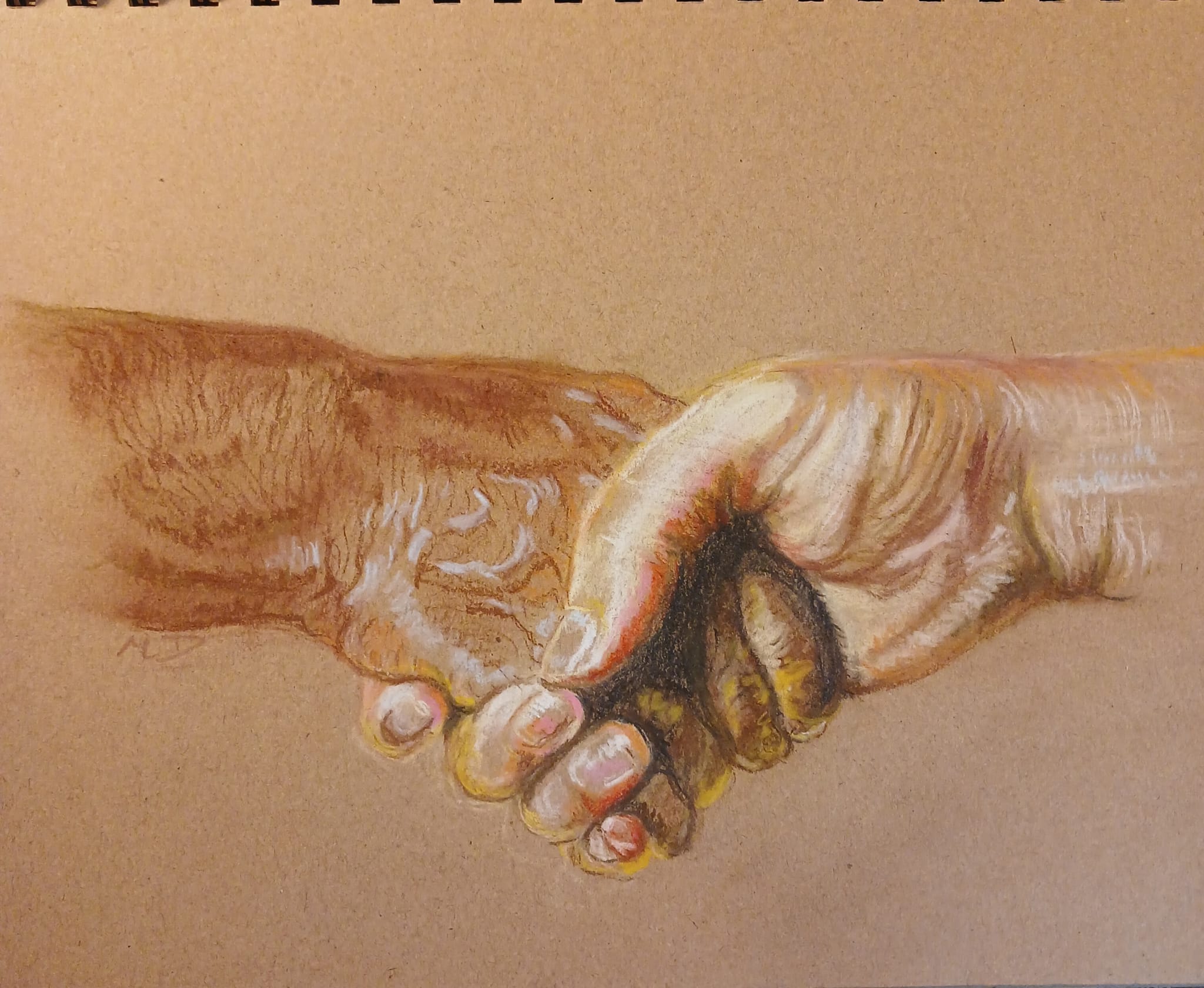
And here are a handful of the paintings that were produced as a result of sharing these verses and pictures. 

Bible references: New International Version

Images from Unsplash.com :
Sheep on hillside with sunset: Jaka Škrlep
Still waters: Jenn Wood
Dark Valley: Karsten Wurth
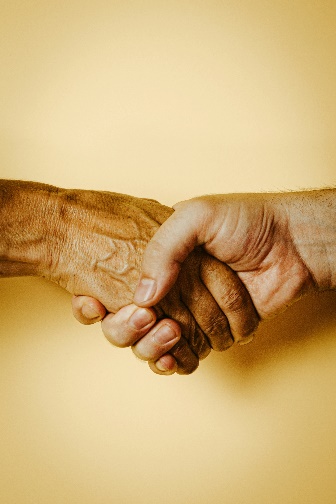
Hands: Ave Calvar
Table: Kevin Schmid
Oil: Roberta Sorge
Overflowing cup: Ephraim Mayrena
Daisies: Garston Roulstone
Scottish Lake: Gary Ellis

Images from Pexels.com:
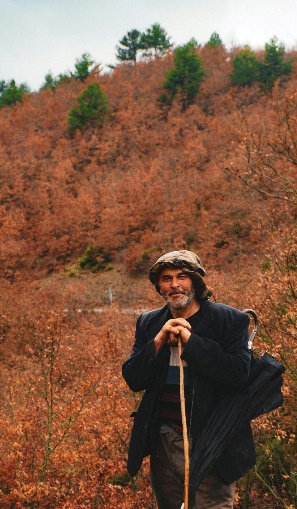
Shepherds Staff: Photo by Mehmet Has

Images from other sources:
Green pastures: Sally Taylor

Signs for all times

Picture Credit: timon-studler-sjynUnr9ikA-unsplash

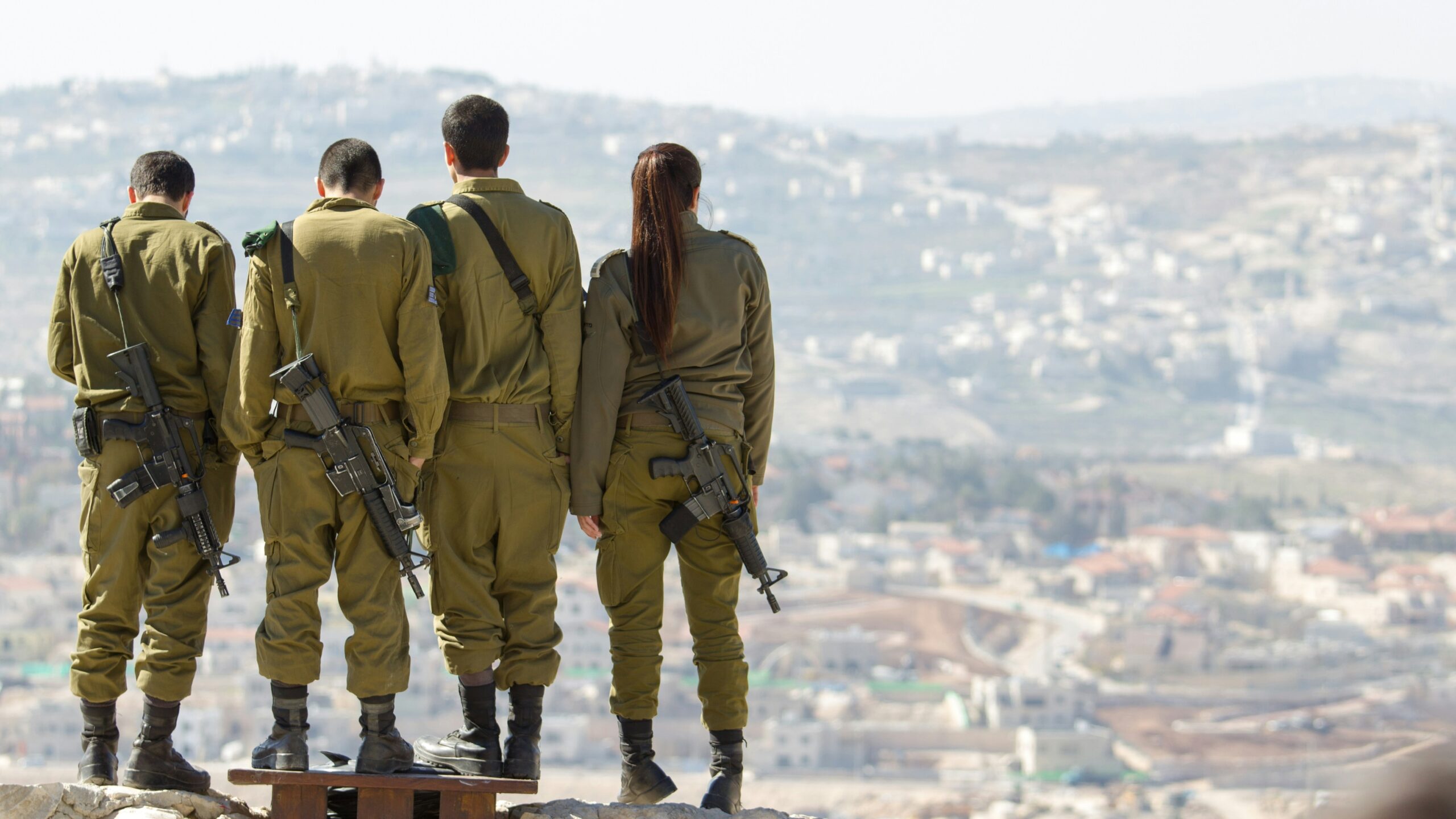
I guess we are all of us watching what is going on each day between Israel and Palestine’s Gaza area. It is a truly terrible situation, and civilians and children are suffering badly. So many dead already, so much suffering. So much ‘collateral damage’, and so much spreading war around the Middle East and Red Sea.

Although the blame for starting this latest war lies evidently with Hamas and Palestine, by launching a surprise raid, killing 1400 and taking over 200 people hostage, the Israeli response is surely both disproportionate and deadly.

We are all of us involved in some way. Britain is openly supporting Israel, as is America. There is evidence that Russia is supporting the Palestinians, and maybe China too, at least in its anti-USA attitude.

And now there is evidence that Iran is pushing against US bases on the Syria border, while Israel is also handling border tension to the north with Lebanon.

It is as tense a time as I have known in 50 years. The Bible offers multiple prophecies about the ‘end of time’, and of human kingdoms, and for sure the signs of this are all over the current situation. Israel is in trouble to the south and west, to the north and the east. Rather closely in line with the prophecy of Obadiah, verses 15 to 21.

Have a read of that prophecy, and work out for yourselves which areas of Israel are referred to in Old Testament language. Yes – the Gaza strip, the Sinai peninsula, the Golan Heights, the West Bank of the Jordan river, the East Bank too, the Lebanon border – they are all there in this Old Testament prophecy from c 850 BC!

So is THIS the time of the end? It might be. We should be ready, in case it is. And things could deteriorate very quickly. But let me tell you a personal story….

In June 1967, when I was 12, my mum saw me off to school on my bike with a strange final message. ‘If your Dad and I are not here when you come home, don’t worry, Jesus has returned and we will be with him in Jerusalem’. I was not happy …

It was the time of the ‘6 day war’ between Israel and Egypt, with Jordan and Syria pitching in too against Israel. Israel was fighting on every front. And Israel won, in 6 stunning days of fighting, taking the Sinai peninsula, the Gaza strip, the West Bank and the whole of the city of Jerusalem, which was previously divided.

Mum, and Dad, were still there when I got home. It wasn’t the time of the end, but I was scared enough. Mum was very disappointed and I was fairly well traumatised all day, because at 12 I had little idea what she was talking about. She did apologise…
Since then there have been multiple wars around Israel through my life – especially the Yom Kippur war in 1973 when I was 19, 50 years ago this month. Unbelievable.

And countless fights between Israel and Palestine ever since, despite many attempts to broker lasting peace. The simple problem is – they both claim ownership of the same land. But God gave it to Israel…..

There is an interesting reflection of this history in the New Testament, in the Book of Acts, ch 7. Recorded here are the words of a man called Stephen – a deacon in the church. In response to accusations he makes a spirited defence – starting with an 8 minute summary of Jewish history. Why?

He was accused – falsely – of doing wrong in the Jewish faith – Acts 6 v 11-14
In his defence he goes right back to Jewish roots – to Abraham. Know your audience – the first rule of speaking!

And ch 7 v 4-5 includes the very issue that still encompasses Israel and Palestine today. And then he goes through the generations to Moses – who Stephen was accused of blaspheming.

His tone changes suddenly in v 51-53. He turns the charges around, onto the Jewish leaders, who crucified Jesus Christ. The change of pace and tone is sudden and interesting – but that is another story.

Very suddenly – it is the time of the end for Stephen. He realises that they are not listening, not accepting. They are going to slay him. What does he do? Well, he accepts it humbly – and is witnessing to his Christ right to the end. His truthful words lead directly to his death.
V 54-59 they stoned him to death. Some of us may have seen that terrible act of justice or revenge in our own lifetimes. It is a brutal thing.

But his vision was clear – v 56 – ‘he could see his Lord’. And at the end – note the generosity of his spirit (v 59-60) – ‘do not hold this sin against them’
This was just like the Lord Jesus Christ, when he was close to death on the cross. ‘Father forgive them, for they don’t know what they are doing’ (Luke ch 23 v 34). Stephen was a Christ-like man.

So this is how we must be at the end of time. Could it be now? Well maybe, maybe not. But we must always be ready, watching, waiting, focussed. Ready for the end of time at all times.

And ….always seeking forgiveness, so that we are newly washed and cleansed.
May our Lord bless us all, while we wait and watch, and pray for the end of violence, of sin, of oppression, of hunger and death itself. We need God’s kingdom, of justice, and mercy, and truth.

A fun challenge using your bible!

In my 1st year of university we had a interesting lecture on the archaeology of potatoes.

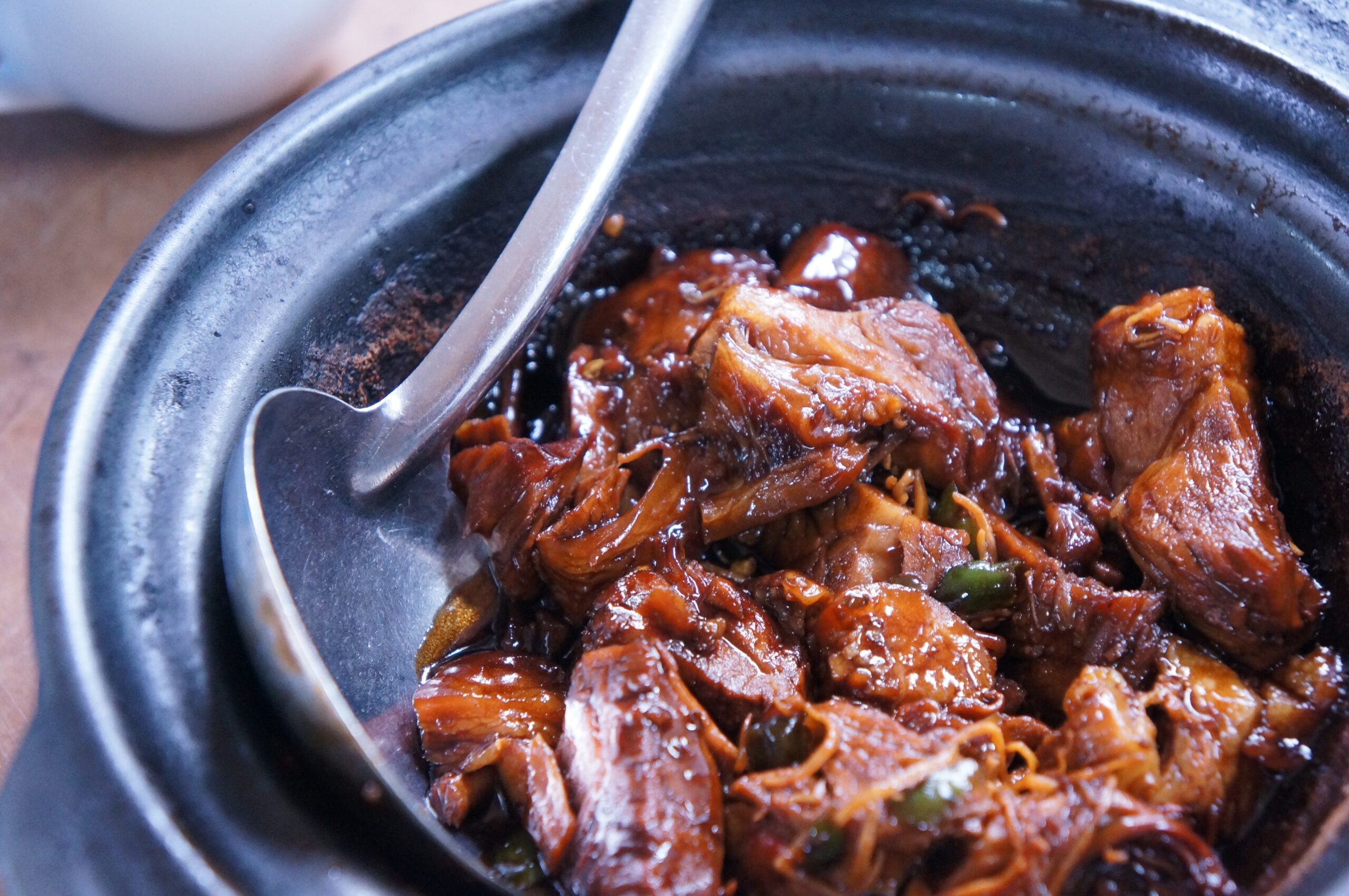
Beef Stew
Beef Stew

What’s the archaeology of potatoes got to do with the bible, you may ask? Did you know that when the potato first arrived in Europe, having been discovered in Peru, that the Catholic Church banned them? Why? Because they weren’t mentioned in the Bible!

It was this fact that prompted the lecturer to challenge me to think up a meal with food only mentioned in the Bible. The recipe below is the result, which hasn’t yet been tested! My challenge to you, for a bit of fun, is to see what meal you can come up with – remember only food mentioned in the Bible can be used. Please let us know if you create anything and bonus points if you can create a pudding that’s more exciting than fruit salad.

So here’s my offering from 2014 to the challenge as given by my lecturer.

Beef and Red Vine Stew

  • Bread (Genesis 27:17) 
  • 400g Beef (Numbers 11:18) 
  • Half an Onion (Numbers 11:5) 
  • 200g Beans (2 Samuel 17:28) 
  • 200g Lentils (Genesis 25:34) 
  • 100ml Wine (Deuteronomy 200 ml) 
  • Water (Gen 21:14) 
  • Oil (Deuteronomy 11:14) 
  • Salt (Numbers 18:19) 
  • Coriander (Exodus 16:31)

Chop up the beef into stewing stakes as well as chopping the onions into small pieces. The brown onions in a frying pan using the oil. Place beef into the frying pan and add the water and wine to the beef and onions, then thicken by adding a tablespoon of flour to the mix and bring to the boil. Transfer the mix to a casserole dish and add the beans, lentils, salt and coriander and cook at 180oc for an hour and a half or until the meat and pulses are tender. Serve in a dish with a generous amount of warm bread. 

Yorkshire puddings

  • 40g of Flour (Genesis 18:6)
  • 2 Eggs (Deuteronomy 22:6)
  • 200ml of Milk (Genesis 18:8)

Add all the ingredients into a large mixing bowl and whisk until smooth, then ladle into a 12 cake bun tray and cook on 200 oc for about 20 minutes or until golden brown.

Fruit Salad

  • Grapes (Genesis 40:10)
  • Melon (Numbers 11:5) 
  • Apple (Deuteronomy 32:10) 
  • Pomegranate (Exodus 28:33)

Chop and mix together grapes, melon, apple and pomegranate, the serve in individual dishes.

I have not actually tested these recipes, but hopefully together they present a realistic meal. Now it’s your turn. I found it hard to find vegetables mentioned in the bible, but do let us know what you come up with. 

The birth of Jesus – A Christmas statistic that makes sense

American Christians are far from unanimous when it comes to understanding the significance of who Jesus is, a survey by Lifeway Research shows. Just 63% of regular church-going Christians in the USA believe that the Son of God existed before the birth of Jesus. This means that 37% of the Christians who turn up in America’s churches regularly on Sunday are either not sure or do not believe that Jesus pre-existed.

This has caused alarm in some quarters, alongside despair that so many seem to be unaware of orthodox beliefs or have even deliberately departed from them. Of course, if Jesus did not exist prior to Bethlehem, then this strikes right at the heart of the doctrine of the trinity. But instead of panic, is there something in this Christmas statistic that should give everyone pause for thought? Perhaps the figures reveal something important?

Click here to read more>>

That reminds me of …

It can be surprising where our memory joggers can come from.  I was recently cooking with a selection of spices and was reminded about an event in the Bible.  It’s in the gospel of John, chapter 12, verses 1-3.

1 Six days before the Passover, Jesus came to Bethany, where Lazarus lived, whom Jesus had raised from the dead. 2 Here a dinner was given in Jesus’ honour. Martha served, while Lazarus was among those reclining at the table with him. 3 Then Mary took about a pint of pure nard, an expensive perfume; she poured it on Jesus’ feet and wiped his feet with her hair. And the house was filled with the fragrance of the perfume.

Look at the 2nd half of verse 3:

“… the house was filled with the fragrance of the perfume.”

Photo by Marion Botella on Unsplash

On Saturday night, it was the aroma of spices that filled my house and that was my trigger to remember this passage.  My cooking brought this Bible passage to life – it was an aroma filling a house.

Almost 2000 years ago, on that evening before Passover, it wasn’t the smell of Martha’s cooking that filled the house.  It was Mary’s generous use of an expensive perfume that filled the house; as she anointed Jesus’ feet.  This action upset some of the people who were present and they thought that it was a waste of money.  It cost the equivalent of a whole year’s wages and it had been used all at once.

The action was pleasing to Jesus though, and Mary’s generosity was only fully understood by him.  The impact however filled the whole house.  Wherever anyone went in that house, for some time afterwards, they would have smelled the fragrance and been reminded of Jesus’ words.

7 “Leave her alone,”Jesus replied.“It was intended that she should save this perfume for the day of my burial. 8 You will always have the poor among you, but you will not always have me.”

When Jesus was crucified, there were some people who felt a similar sense of waste.  Surely it would have better for him to have survived than to have allowed his life to be poured out on the cross.  There are plenty of references in the Old Testament that link the idea of sacrifice and offerings as being an aroma that is pleasing to God.  In the New Testament we learn that Jesus was the perfect sacrifice.  For an example of this, look at Ephesians chapter 5 starting at verse 1:

1 Follow God’s example, therefore, as dearly loved children 2 and walk in the way of love, just as Christ loved us and gave himself up for us as a fragrant offering and sacrifice to God.

The aroma of Jesus touched the lives of those people in Bethany, there on that night.  It diffused around the whole of Israel, so that young and old, rich and poor, rulers and servants, men and women were all affected by him in some way.  That aroma is so special that it has continued to infuse throughout the world ever since, and we can be part of that.  My final quotation confirms this.  It is from 2 Corinthians 2 starting at verse 14.

14 But thanks be to God, who always leads us as captives in Christ’s triumphal procession and uses us to spread the aroma of the knowledge of him everywhere. 15 For we are to God the pleasing aroma of Christ among those who are being saved and those who are perishing. 16 To the one we are an aroma that brings death; to the other, an aroma that brings life.

We have been given the opportunity to spread the fragrance of the knowledge of Jesus during our lives and be the fragrance of life to those who are also looking for salvation.  We have been told that when we do that, then we are also the pleasing aroma of Christ to God.

So perhaps next time you’re cooking and the smell wafts throughout the house, you’ll also remember these passages too.

Quotations are from New International version

Be inspired by our Bible quote images

We are pleased to launch our Bible Quotation gallery, where we have matched some amazing photos to Bible quotations. Each poster has a unique Bible quotation and are ideal for adding to your walls. Guides to recalling scriptures, motivational and inspirational.

Visit this gallery now!

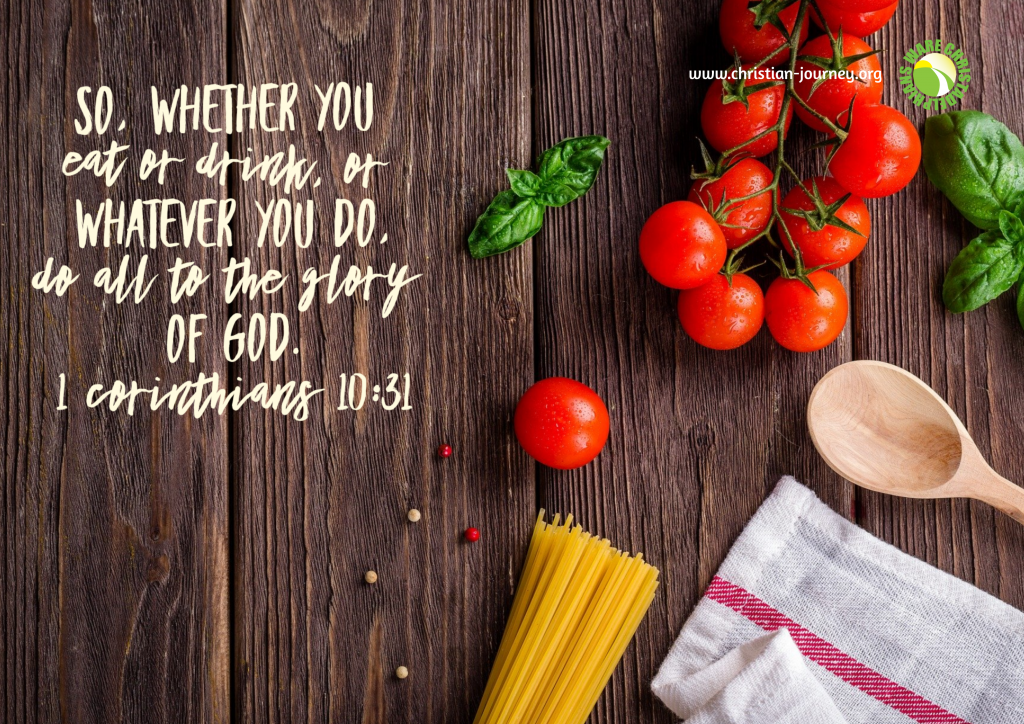
I Corinthians 10-31

I Corinthians 10-31

We have also started to create posters in Farsi. Many of our recent visitors struggle with English and have very little to guide and motivate. These posters are a great way of providing God’s guidance. We are working to add to the small number available at the moment, so please visit the website from time to time.

Visit our Farsi posters here.

Ez 34-11 F PP
Ez 34-11 F PP