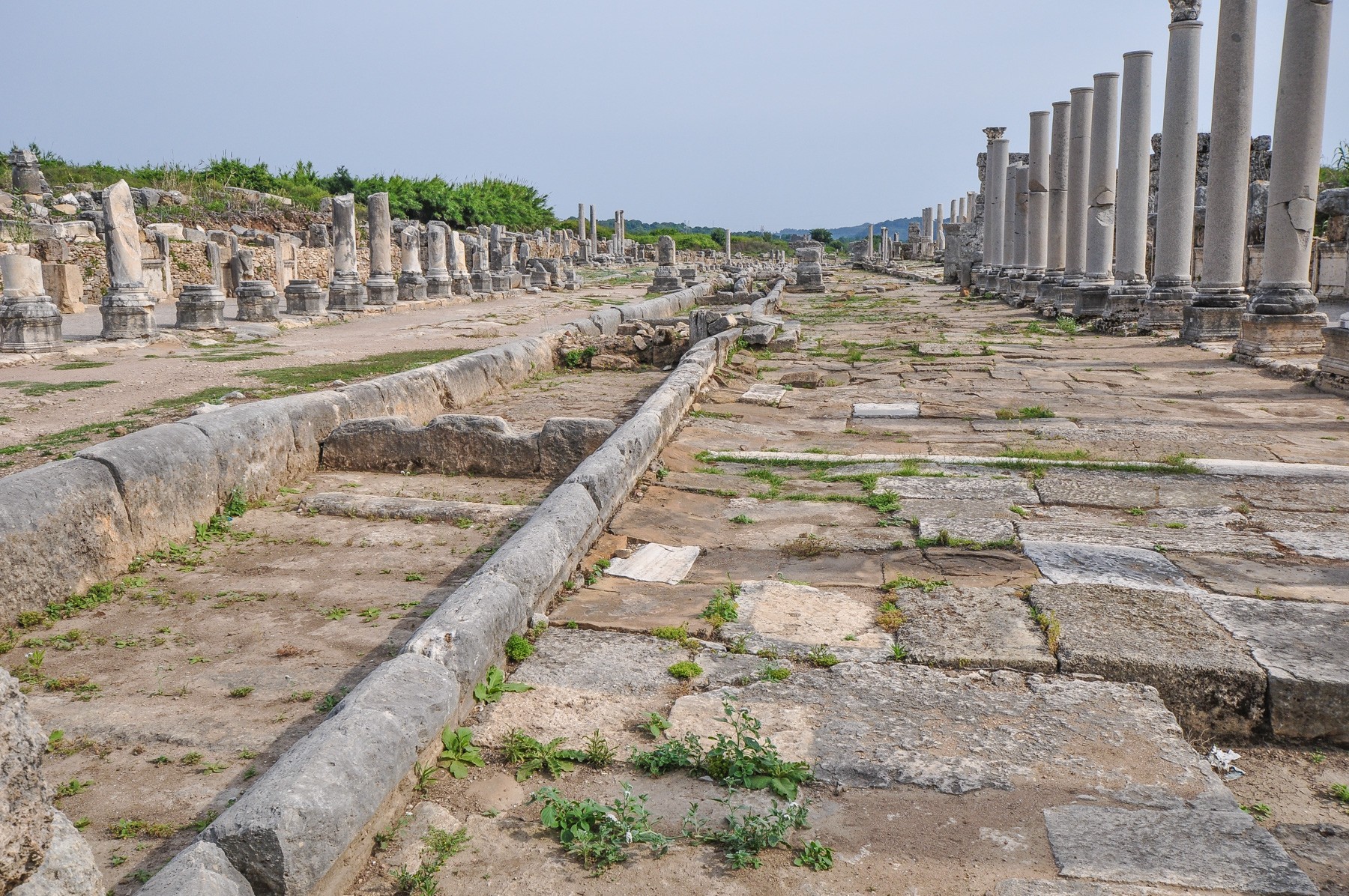
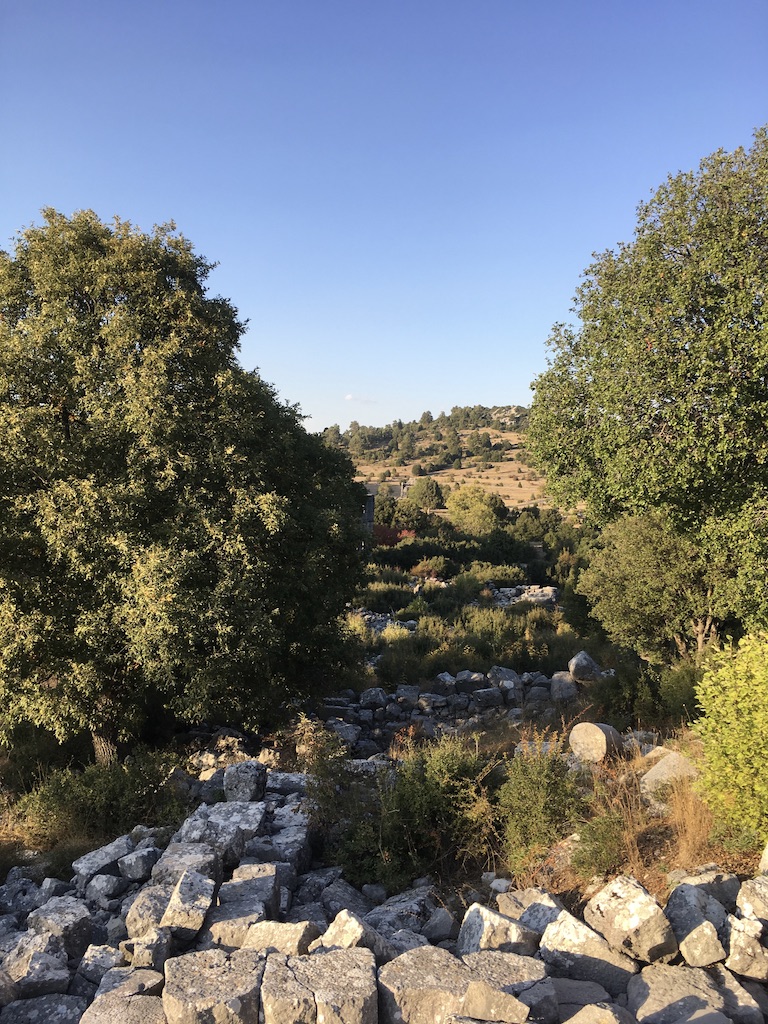
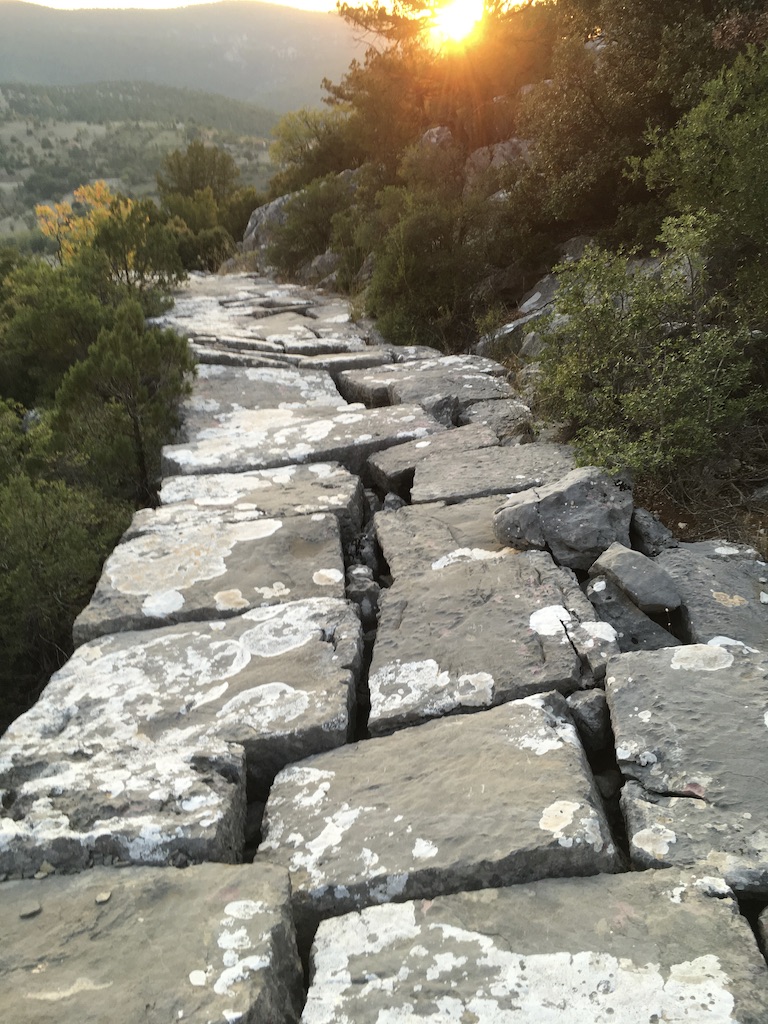
Would you like to leave the chilly winter weather behind and come for a walk in the sunshine, following in the footsteps of the apostle Paul? Stepping out beside him as he travels around Turkey preaching the good news about Jesus? Well you can do that here, walking sections of The St Paul Trail – a waymarked hike that tries to imagine the route Paul might have taken when the gospel first arrived in mainland Asia Minor.
There is a good reason for our journey. One other than suns rays instead of the frosty British winter weather outside your window! This hike makes the scriptures come to life in bright colour and detail. Facts and figures, archeology and history won’t in themselves make you believe the bible story. It requires faith and trust to get to know God and His son, the Lord Jesus, for yourself. But it is reassuring to know that the historic details of the time in which the bible was written are verifiable and accurate. Events in our Bibles can be laid alongside secular accounts of the time and found to be absolutely trustworthy.
Paul was the man who brought the message of Jesus to the expanding world of the Roman Empire. In the New Testament book of Acts we can read of the long challenging days and the many miles he covered – no doubt speaking to everyone along the way about this new religion that had changed his life completely. Today you can follow the waymarked St Paul Trail route from Perge to Antioch. The whole walk is 500 km long and the author of the map book says this is wild country! Undoubtedly it was even more so in Paul’s time. Rivers, canyons, white water torrents, thick forests and steep cliffs meant that there was no natural route. Bits of Roman road had been built – the new Via Sebaste – but most of the way ahead was still sheep and goat paths, rocky and overgrown. We’ll begin a few steps of Paul’s journey in the next post…
We are delighted to let you know that we are hosting another coffee morning to raise funds for the Herts/Essex (Ware) Samaritans on Saturday 18th November from 10:30 am to 12:30 pm.
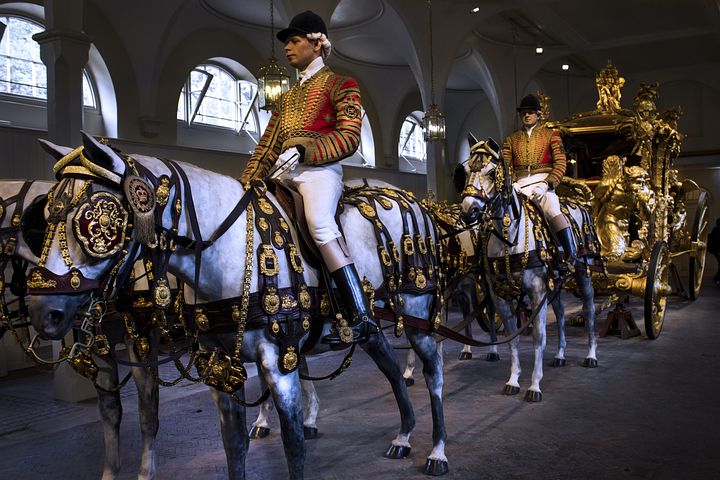
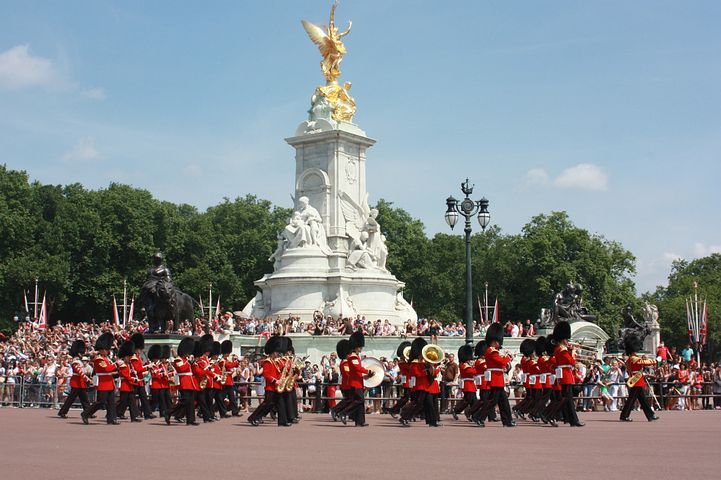
The United Kingdom has a new king, King Charles III. Over the months since he became King, an increasing number of details about his coronation have been shared by the palace. There have been announcements about what is going to happen on each day of the long weekend in May; across the country as well as in London itself. We now know the name of the official photographer, we’ve seen the logo for the occasion and we even know which crown the Queen Consort will be wearing at the coronation. Although this is a new king for the UK, almost every head of state around the world will be invited and the ceremony and celebrations will be watched by millions of people around the world. It will be a global event.
You may be surprised to hear that the Bible tells us about a new king who is going to be crowned in the future. This is also going to be a global event. This king will not be the king of just one country. He is going to be king of the whole world; the kingdom of God. That king is going to be Jesus when he returns to the earth.
The New Testament describes the preaching work of the leaders of the early Christian church as sharing the “good news of the kingdom of God”. Why is it good news ? Because the world is going to be a very different place when that kingdom is set up. The whole world will live in peace and harmony. There won’t be famines or disease or corruption. Jesus will be a King ruling with justice, mercy and in love.
The Bible tells us about signs in the world to be looking out for, but that we will not know the exact date when it is going to happen. Unlike King Charles’ coronation there is not a precise timeline for these events. That means we have to prepare now and be ready for him. Jesus has invited all of us to be part of his kingdom. All we need to do is have faith in him and acknowledge him as our king and saviour now.
Have you ever looked back and seen how God has worked in your life or felt his hand in what you do? Maybe a big or life changing moment or maybe just a few small things that show his love in your life.
Hello, I’m Bek, and I live in Ware. However I haven’t always done so. My move to Ware is one of these moments in life where I can see that God was working.
I studied Archaeology at the University of Bradford and having graduated was looking for Archaeology jobs. A few weeks down the line and I found adverts for a couple of posts directly related to what I did on placement. A couple of weeks and an interview later I get a phone call one Tuesday lunchtime. It is an offer for a Historic Environment Record Officer job in Hertford! I nervously accept and tell my parents as they come home a few min later.
One problem – they want me to start in 3 weeks time. I don’t have anywhere to stay or know anyone personally down there. My Dad gets on the phone to a friend he has near St Albans and we wait. By teatime I receive an email offering me accommodation in Ware until I am settled and saved up to be able to get myself a place. So in the space of 6 hours I have been given a job and somewhere to live. I truly believe that God was working in my life. Two years prior I had done 6 months placement in the sector and now everything had fallen into place. It just must have been meant to be. Two and a bit years later and I am still HER officer for Hertfordshire. I can still see God working in my life. He has placed me here and so I do what I can to be a blessing to those around me.
My example might seem like one of those bigger moments in life. But I challenge you to look back at your life and see if you can see God working? It might be big or it might be small. Has he given you a friend at a time you needed them, maybe He has put a rainbow in the sky on a day you were worried. Has he kept you safe or given you joy through something?
It is a small country, just slightly larger than the East of England, 1/16th the size of Germany and 1/24th the size of France.. But when its Prime Minister was assassinated in 1995 the world’s media went into overdrive to report on every aspect of the story and of the possible repercussions. 48 Heads of State or Prime Ministers attended the funeral.
United Nations which established its credentials to be an independent state. Taking over a semi-barren land, with a population largely culled from refugees after the trauma of the holocaust, and surrounded by nations vowing to destroy it. Israel has been transformed into a small but powerful nation with great military strength and vigour. Attempts by Arab nations to destroy it have been notably unsuccessful.
Whether the world acknowledges it or not, we have seen a modern miracle. To understand this, we have to delve back into ancient history.
There has, of course, been a nation of Israel before. History, and the Old Testament of the Bible tells us that the Jewish people settled into the land in about 1400BC – a somewhat bigger land than the nation now occupies – and they eventually became a powerful kingdom. They were at that time the only nation that worshipped God. They were surrounded by other nations who worshipped idols and, as a result, of inter-marriages, (which had been forbidden by God), trading exchanges, etc., the purity of their worship became tainted with that of the idols. Over the centuries, the moral tone of the nation weakened; they were defeated and the nation was effectively destroyed by the Babylonians in 587BC.
Eventually, some of the people were able to return to their land and attempt to re-establish the nation and the worship of God, but they were never again truly independent, never again a kingdom. After the Romans attacked, Jerusalem in 70AD, and again in 130AD, Israel was no more. Its people were scattered, its capital city in ruins.
130AD
For 1800 years Israel was subjected to many hundreds of years of persecution. Other nations would have disappeared; shorn of any authority or purpose to hold them together, to retain national pride and identity. The natural course of history would have been for their survivors to intermarry and merge into the nations which had given them sanctuary and, as Jews or Israelis, vanish from history.
1642
But a Jew is still a Jew, a distinctive race of people. As early as 1642, a petition was placed before the British Parliament “That this nation of England shall be the first and readiest to transport Israel’s sons and daughters in their shops to the land promised to their forefathers, Abraham, Isaac, and Jacob for an everlasting inheritance”. But it was not until the end of the 19th century that a definitive movement began among Jews to attempt the re-establishment of the nation of Israel in their ancient land. Against all odds, this has happened.
The amazing significance of this wonder has not been fully realised by many people. While it is said that ‘The Jew has stood by the graveside of all his persecutors’, the concept of a people that has not been a nation for 2000, not only re-estabilishing itseld but even doing so in the land from which the people were banished two millennia ago – is truly miraculous.
Whatever we think of the situation, whether we support Arabs or Israelis in their fierce and bitter fight over the land and Jerusalem, we cannot but agree that it is a remarkable situation. What is even more remarkable is that it was all predicted in the Bible. God, through His prophet, told the Israelis “I will make you a ruin and a reproach among all the nations around you, in the sight of all who pass by. You will be a reproach and a taunt, a warning and an objector of…” (Ezekiel 5, 14/15 – about 595BC). To their king (their last king), God said “O profane and wicked prince of Israel, whose day has come, whose time of punishment has reached its climax, this is what the Lord says “Take off the turban, remover the crown … A ruin! A ruin! I will make it a ruin! It will not be restored until he comes to whom it rightfully belongs; to him, I will give it” (Ezekial 21, 26/27 – about 590BC).
The Jews have a special place in the earth. Love them or hate them, they are God’s witnesses – “You are my witnesses” declares the Lord, and my servant whom I have chosen” (Isaiah 43, 10); and again, “You are my witnesses that I am God” (v12).
Watch the Jews and you will find proof that what God said would happen, has occurred. God did say that the nation as it then was, would be destroyed – and it was; that the land would be a ruin – and it happened. God also promised that the Israe3lis would be brought together once more, in their old land – and this has happened.
Bible writers are unanimous in their confident assertions that when the Israelis occupy the land, the return of Jesus would follow.
The reality is that there can only be one truth just as there is only one God. Truth has multiple aspects, but of necessity these will all be consistent with each other. In its fullness ‘The Truth’ is clearly set out in God’s word, and then in the person of the Lord Jesus Christ who said of himself that he was the way and the truth and the life (John 14:6). God’s word is Truth and Jesus is that word made flesh. For this reason Jesus is given described as ‘faithful and true’ and ‘His name is called The Word of God’ (Revelation 19:11-13).
If we desire to know and understand the truth about God and his purpose with this world in which we live and be certain of what we believe, we must learn to recognise and shun error. The apostle John warns his readers not to believe every teacher that claims to be spirit guided, but to test them. “Beloved, do not believe every spirit, but test the spirits, whether they are of God; because many false prophets have gone out into the world” (1 John 4:1). How can we know ‘the spirit of truth and the spirit of error’ (verse 6)?
Jesus said that the scriptures cannot be broken (John 10:35) and the apostle Paul reminds us that all scripture has been given by inspiration of God (2 Timothy 3:16). These scriptures tell us how to test prophets and teachers. “To the law and the testimony! If they do not speak according to this word, it is because there is no light in them.” (Isaiah 8:20). So we are able to test the teachings of others by the touchstone of the Holy Scriptures which are the inspired word of God.
Let us be wise to seek the truth and to avoid error by always testing all that we read or hear using God’s word. We can only do this if we read the Bible daily and make ourselves really familiar with its teachings, teaching that can make us wise unto salvation (2 Timothy 3:15).
Let us beware about the danger that arises from false teachings which can take us away from the truth. To most people error is more attractive than the truth because of their human nature. The apostle Paul was very concerned about the believers at Corinth losing sight of the truth and believing another gospel, writing “I fear, lest somehow, as the serpent deceived Eve by his craftiness, so your minds may be corrupted from the simplicity that is in Christ.” (2 Corinthians 11:3). Let us not be deceived by error but hold fast to the truth of God’s word in all its aspects.
For those of us born and raised in a Christian country – it may have been a gentler, gradual process of acceptance. But has it – will it – make us different? Do people NOTICE that we are different, because of knowing Jesus? Will we STAY different?
Am I different? Have I ‘grown in grace’ as the Bible puts it? Have I got closer to the example of my Lord, Jesus Christ? Am I a better person for knowing him?
In truth there is no way of knowing. I can’t live my life again, making different decisions, to test it. But still, the question: HAS knowing Jesus changed me?
I KNOW it has – it has changed what I know to be true, and right. It has set my values, how I speak, how I try to live, how I try to treat people I meet. It has affected my views on life, death, world events, my work, my leisure, how I spend my time and money. And I am very grateful for all of that.
I know this and am not afraid to say it – that my faith in Jesus is real, active and still essential to me, to my life and the way I try to live.
We do not know each other’s journey towards faith. The way each mind and spirit thinks, the difficulties each of us deal with. There are hidden, usually unspoken difficulties that we all suffer. You do not know mine, and I for sure do not know yours. But we can ALL have HOPE. And knowing God through his Son Jesus is a truly hope-ful, positive thing.
The apostle Paul, writing to new believers in Corinth, Greece offers us all this perspective from the Bible (2 Corinthians 4 v 16 to 18)
v 16 so DON’T lose heart. While our outer nature is wasting away – our inside nature is being renewed all the time. v 17 We are being prepared for GLORY v 18 because we look to the unseen but eternal things of God.
A message of great confidence and hope!
These are all brave words. Wonderful principles, even if we do not always feel it. We are promised to be reunited with God through Jesus, and set free from our sin and death, and from all that is wrong with the world around us.
So YES – we are changed by knowing Christ. We cannot fail to be.
So what IS God’s will for you, and for me? Well, it’s very simple, He wants us in his kingdom. And now? Right now?
The Bible teaches us to learn, and to continue to learn. To grow, and to continue to grow. To become more and more like Jesus Christ. To drop human thoughts and traditions, and grasp the thoughts and behaviours of our Lord Jesus Christ. Each and every day.
‘God has shown you, O man, what is good. And what DOES the Lord require of you, but to DO justice, and to LOVE kindness and to WALK HUMBLY with your God’ – the words of God’s messenger Micah ch 6 v 8.
That’s how everyone will know that we know Jesus Christ. When we do it – doing justice, loving kindly, and walking humbly with our Lord towards His Kingdom. It makes for a very different world!
The Bible helps us to understand what having faith in God means, how we get it and what it can achieve for us in our lives. Faith means believing and trusting. It takes time to develop trust in someone or something – it doesn’t happen overnight, it is not instantly obtained.
Think of how we refer to faith in everyday life. Very often we talk of a faithful partner or friend, or a faithful dog or pet we have had for many years, or an old car or some other piece of machinery that has never let us down. We have grown to love and respect them because through all the joys and sorrows of life, they have always been there to help and support us.
Our trust in a partner or friend increases the longer we have known them and grown to understand their thinking and way of doing things. Being reliable in all situations in life makes them very special to us.
Now apply this thinking to God and ask the question, “How can we have faith in God whom we cannot see?”.
The Bible tells us that faith comes from listening to and treasuring the message of God which He has give to everyone. In a letter written by Paul, one of the early followers of Jesus, to the believers in Rome, he writes (and remember this is God’s message through Paul) that God’s word has gone out to all the world; the Bible is now available in over 3,000 languages and is read throughout the globe. The more we read God’s word, the more our faith can grow, as we learn about His life giving plan and purpose for us and the world and the opportunity he offers us to be part of this. The book of Hebrews (Chapters 10 and 11) tells us that “The Just shall live by faith”; these chapters describe how the men and women in the Old Testament were were rock solid in their trust in God despite living difficult lives. In fact it was their faith that helped them live in and through the challenges. Faith can do the same for us.
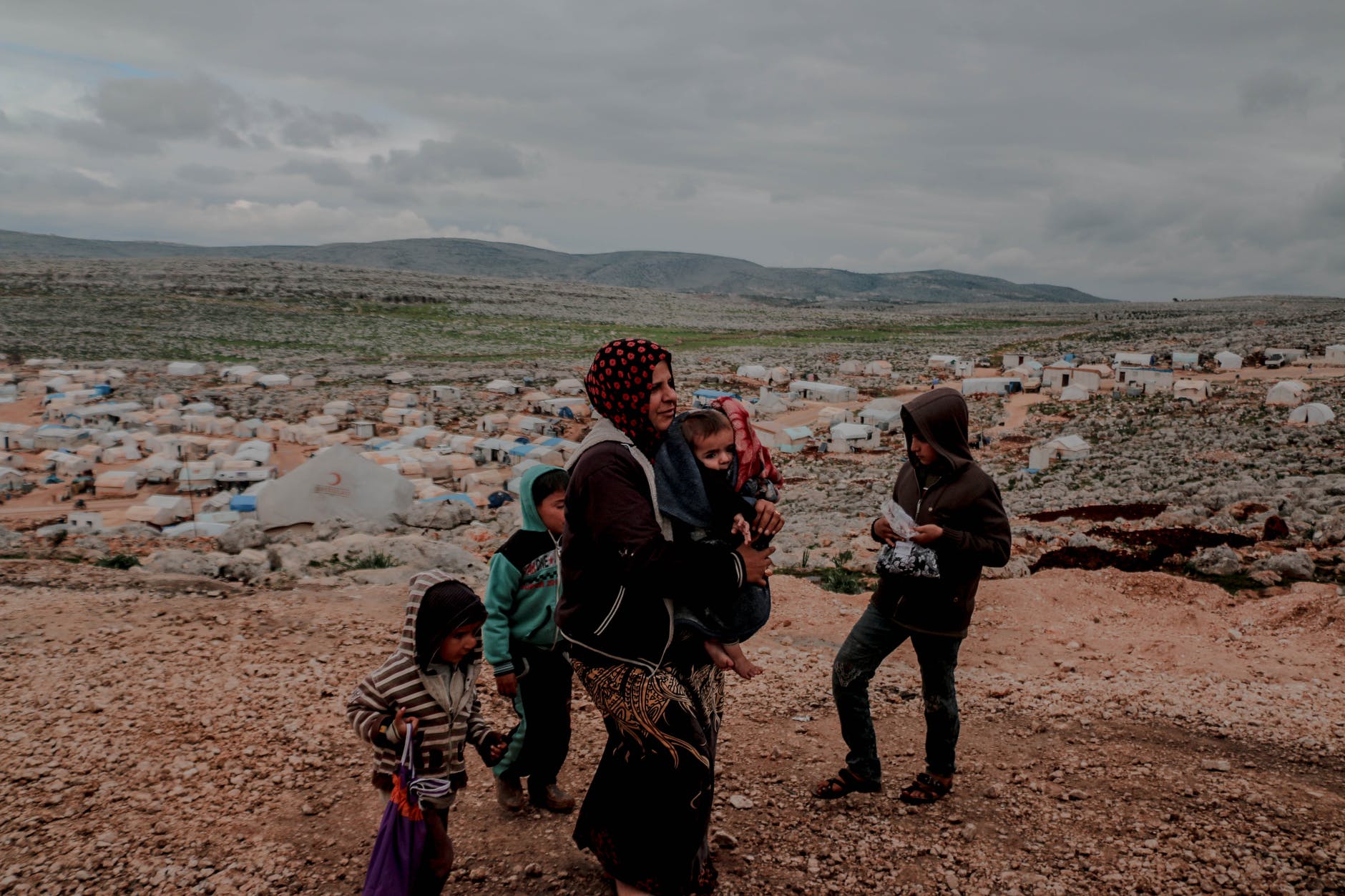
God is in control. One day soon he will send his son Jesus as King to the earth, a worldwide leader who will rule with justice and bring lasting peace. Acts chapter 1 and verse 11 tells us Jesus will return, and Isaiah chapter 9 verses 6 and 7 says there will be no more war. The kind of bloodshed that Ukraine is facing will be stopped – nowhere in the world will we see such violence again. Isaiah chapter 2 verses 2 to 4 tells us about this time of peace and in his 65th chapter, Isaiah tells us that when Jesus is king it will be a time of plenty and security.
Surely it is worth reading about and developing a faith in a real God who is active, loving, and keeps his promises. We can have hope in a future in God and his son Jesus Christ, in a world that seems to continuously grappling with disasters, confusion, and unrest. God offers us all the opportunity to live in that kingdom, on this earth ruled over by his son. What is required by us is a belief that the things written in God’s Bible, are true and will happen. Why not give it a go? Do not wait. Time is running out.
In my 1st year of university we had a interesting lecture on the archaeology of potatoes.
Beef Stew
What’s the archaeology of potatoes got to do with the bible, you may ask? Did you know that when the potato first arrived in Europe, having been discovered in Peru, that the Catholic Church banned them? Why? Because they weren’t mentioned in the Bible!
It was this fact that prompted the lecturer to challenge me to think up a meal with food only mentioned in the Bible. The recipe below is the result, which hasn’t yet been tested! My challenge to you, for a bit of fun, is to see what meal you can come up with – remember only food mentioned in the Bible can be used. Please let us know if you create anything and bonus points if you can create a pudding that’s more exciting than fruit salad.
So here’s my offering from 2014 to the challenge as given by my lecturer.
Beef and Red Vine Stew
Bread (Genesis 27:17)
400g Beef (Numbers 11:18)
Half an Onion (Numbers 11:5)
200g Beans (2 Samuel 17:28)
200g Lentils (Genesis 25:34)
100ml Wine (Deuteronomy 200 ml)
Water (Gen 21:14)
Oil (Deuteronomy 11:14)
Salt (Numbers 18:19)
Coriander (Exodus 16:31)
Chop up the beef into stewing stakes as well as chopping the onions into small pieces. The brown onions in a frying pan using the oil. Place beef into the frying pan and add the water and wine to the beef and onions, then thicken by adding a tablespoon of flour to the mix and bring to the boil. Transfer the mix to a casserole dish and add the beans, lentils, salt and coriander and cook at 180oc for an hour and a half or until the meat and pulses are tender. Serve in a dish with a generous amount of warm bread.
Yorkshire puddings
40g of Flour (Genesis 18:6)
2 Eggs (Deuteronomy 22:6)
200ml of Milk (Genesis 18:8)
Add all the ingredients into a large mixing bowl and whisk until smooth, then ladle into a 12 cake bun tray and cook on 200 oc for about 20 minutes or until golden brown.
Fruit Salad
Grapes (Genesis 40:10)
Melon (Numbers 11:5)
Apple (Deuteronomy 32:10)
Pomegranate (Exodus 28:33)
Chop and mix together grapes, melon, apple and pomegranate, the serve in individual dishes.
I have not actually tested these recipes, but hopefully together they present a realistic meal. Now it’s your turn. I found it hard to find vegetables mentioned in the bible, but do let us know what you come up with.
Manage Cookie Consent
We use cookies to optimise our website and our service.
Functional
Always active
The technical storage or access is strictly necessary for the legitimate purpose of enabling the use of a specific service explicitly requested by the subscriber or user, or for the sole purpose of carrying out the transmission of a communication over an electronic communications network.
Preferences
The technical storage or access is necessary for the legitimate purpose of storing preferences that are not requested by the subscriber or user.
Statistics
The technical storage or access that is used exclusively for statistical purposes.The technical storage or access that is used exclusively for anonymous statistical purposes. Without a subpoena, voluntary compliance on the part of your Internet Service Provider, or additional records from a third party, information stored or retrieved for this purpose alone cannot usually be used to identify you.
Marketing
The technical storage or access is required to create user profiles to send advertising, or to track the user on a website or across several websites for similar marketing purposes.
Contains information related to marketing campaigns of the user. These are shared with Google AdWords / Google Ads when the Google Ads and Google Analytics accounts are linked together.
90 days
__utma
ID used to identify users and sessions
2 years after last activity
__utmt
Used to monitor number of Google Analytics server requests
10 minutes
__utmb
Used to distinguish new sessions and visits. This cookie is set when the GA.js javascript library is loaded and there is no existing __utmb cookie. The cookie is updated every time data is sent to the Google Analytics server.
30 minutes after last activity
__utmc
Used only with old Urchin versions of Google Analytics and not with GA.js. Was used to distinguish between new sessions and visits at the end of a session.
End of session (browser)
__utmz
Contains information about the traffic source or campaign that directed user to the website. The cookie is set when the GA.js javascript is loaded and updated when data is sent to the Google Anaytics server
6 months after last activity
__utmv
Contains custom information set by the web developer via the _setCustomVar method in Google Analytics. This cookie is updated every time new data is sent to the Google Analytics server.
2 years after last activity
__utmx
Used to determine whether a user is included in an A / B or Multivariate test.
18 months
_ga
ID used to identify users
2 years
_gali
Used by Google Analytics to determine which links on a page are being clicked
30 seconds
_ga_
ID used to identify users
2 years
_gid
ID used to identify users for 24 hours after last activity
24 hours
_gat
Used to monitor number of Google Analytics server requests when using Google Tag Manager
1 minute
Marketing cookies are used to follow visitors to websites. The intention is to show ads that are relevant and engaging to the individual user.
Google Maps is a web mapping service providing satellite imagery, real-time navigation, and location-based information.